

index
Palseonju — Medicinal liquor nurtured by Naebyeonsan
Mulberry wine (Sangsimju) — Liquor brewed in the home of the mulberry.
I went to Buan and found more alcohol than I expected. Byeonsan Peninsula We looked into the local traditional liquor of this region, where the mountains of the national park meet the mudflats of the West Sea, and three breweries that brew alcohol with their own distinct philosophies.
Buan Traditional Liquor — Palseonju and Mulberry Wine
In Buan, there are traditional liquors that have been passed down since long before breweries were established. These include Palseonju, brewed with medicinal herbs harvested from the deep valleys of Naebyeonsan, and Odiju, made from mulberries grown in the sea breeze of the West Sea.
Palseonju (八仙酒)
Palseonju is a traditional medicinal liquor passed down in the Naebyeonsan region of Buan. The number 'Pal' in the name comes from the number of ingredients.
It contains exactly 8 medicinal herbs: Rowan, Eucommia ulmoides, Sophora japonica, Acanthopanax senticosus, Acorus calamus, Clematis chinense, Atractylodes macrocephala, and Achyranthes root.
It is said that the liquor was brewed using ingredients gathered from deep within Naebyeonsan, and the name of the liquor carries the meaning of "the liquor drunk by eight immortals.".
Currently, no commercial breweries officially producing Palseonju have been identified. It is a liquor whose lineage faded from a tradition of being brewed and consumed at home, and it now remains more vividly in historical records.
Nevertheless, the fact that Naebyeonsan Brewery continues to produce a lineup utilizing mountain medicinal herbs such as Acanthopanax senticosus and Rowan is not unrelated to this Palseonju tradition.
Mulberry wine桑心酒)
It has been a long time since Buan earned a reputation as a producer of mulberries. Buan's *champpong*, grown exposed to the sea breezes blowing from the west of the Byeonsan Peninsula, is praised for having a sweetness and aroma distinct from those grown inland.
The start of brewing alcohol with these mulberries was triggered by the Silkworm Town established in Yuyu Village, Buan-gun. As processed products utilizing mulberry trees and silkworms emerged, alcohol was also created that took advantage of the benefits of mulberry fruit exposed to the sea breeze.
At first, it was simply called 'Odi-ju'. Later, it was named 'Buan Mulberry Wine' to differentiate it from products from other regions and to promote Buan's local resources.
Although not a regional liquor of Buan, Jeonbuk, Sangsimju is a traditional Korean medicinal liquor brewed with mulberries as the main ingredient.桑椹酒There is ).
It is produced by naturally fermenting mulberries for 60 days and then aging them at a low temperature for more than 6 months, characterized by a subtle mulberry aroma and a deep purple color.
1. Naebyeonsan Brewery (Dongjin Brewery)
Naebyeonsan BreweryDongjin Brewery, the predecessor of [the company], is a brewery that has been responsible for the local makgeolli for over 40 years since settling in Buan in 1977.
In 2007, the factory and production facilities were modernized, and various types of makgeolli, yakju, and fruit wine are produced using Jeonbuk rice and purified water as basic ingredients.
The distillation process uses an atmospheric method utilizing a pure copper still from Kote, Germany, and aging takes place in earthenware jars.
Julpo Fresh Makgeolli
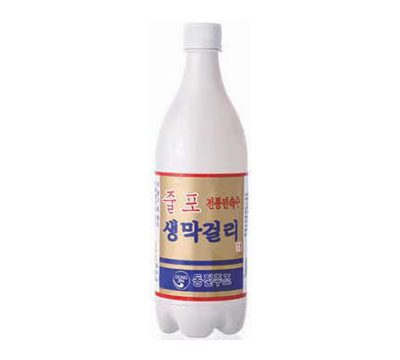
domestic rice
This is the flagship makgeolli of Naebyeonsan Brewery. Julpo is a port town located south of Buan that served as a hub for West Sea trade during the Joseon Dynasty.
It won the Grand Prize in the Fresh Makgeolli category at the 2014 Korean Traditional Liquor Competition hosted by the Ministry of Agriculture, Food and Rural Affairs. It is a makgeolli brewed exclusively with domestic rice.
Buan Champpong Makgeolli

domestic rice
This is pasteurized makgeolli made using Buan mulberries. Mulberry juice is added to give it a subtle purple hue, and carbonation is added during pasteurization after fermentation to enhance the refreshing sensation.
It has a history of winning the Excellence Award in the pasteurized makgeolli category at the Korean Traditional Liquor Competition in 2013 and 2015.
Buan Champpongju

Alcohol added
This is a fruit wine made using mulberries grown in Buan. It is a full-bodied liquor with an alcohol content of 13%; while the rich fruit aroma characteristic of mulberries is alive, the sweetness is not excessive, making it suitable to pair with food like wine.
Baekje Soju
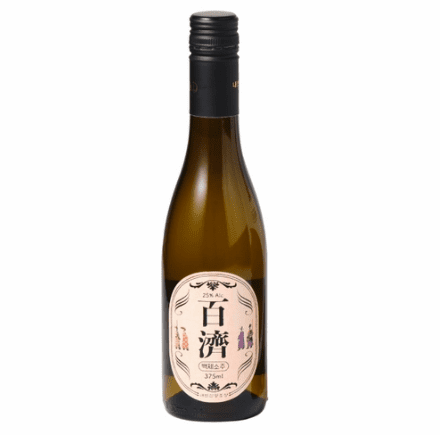
No added alcohol
Domestic Rice 100%
This is a premium distilled soju produced by Naebyeonsan Brewery. It comes in three versions: 25%, 33%, and 45% alcohol. The base liquor, brewed exclusively from domestic rice, is distilled at atmospheric pressure and aged for eight months in earthenware jars dedicated to aging.
It is a pure composition with no additives, using only purified water and rice distillate as raw materials. The key to this process is that the sharpness of freshly distilled liquid disappears, leaving a round and smooth texture.
View Naebyeonsan Brewery products on Coupang
2. Gangsanmyeongju
Gangsan Myeongju (83 Seokjeong-ro, Buan-gun) is a brewery created by “people captivated by the atmosphere of clear rivers and green mountains, and people who want to preserve tradition and make it known to the world.”.
Makgeolli It is also the place that brought a new trend of distilled soju to the Buan traditional liquor market, which was once the center.
Mori (barley distilled soju)
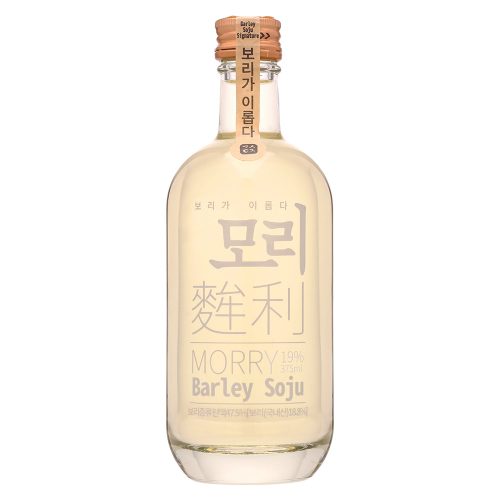
No added alcohol
‘'Mori' means 'barley is beneficial'利It is a glutinous barley distilled soju with a name that carries the meaning of )’. Glutinous barley grown in Buan is distilled after undergoing an in-house milling process, and oak chips are used to add an aged aroma. It comes in two varieties, 19% and 29% alcohol, priced at 9,800 won and 22,000 won, respectively.
It starts dry at first, then as it progresses, vanilla scent and Orcs A mature aroma rises. It goes down smoothly without the characteristic sharpness of soju. It is a drink frequently recommended even to whiskey enthusiasts.
In 2022, Mori 29 was released as a limited edition of 2022 bottles, and a second limited edition was released in 2023, and a fan base has been formed to the extent that it sells out every time.
Graju
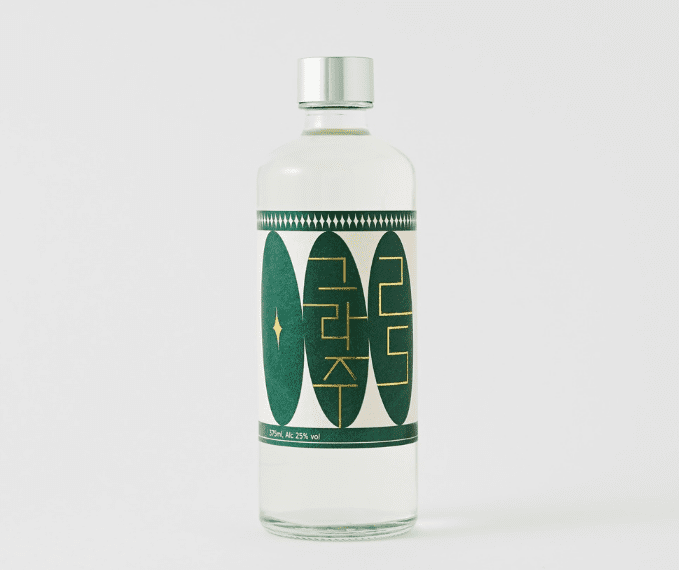
No added alcohol
This is a rice-based distilled spirit from Gangsan Myeongju. It is available in 17% and 25% ABV varieties; while Mori emphasizes the distinctive character of barley, Graju takes a more clean and refreshing approach. Looking at the ingredients, it is classified as a miscellaneous alcoholic beverage due to its composition that includes medicinal herbs such as Rehmannia glutinosa, dried jujubes, and dried silkworms. It contains no artificial sweeteners or distilled spirits.
After it was first introduced at the Jeju Expo, it was difficult to find for a while, but the number of people purchasing it increased after hearing the news of its re-release through Gangsan Myeongju's social media.
View Gangsan Myeongju products on Coupang
3. Yuyu Brewery — Byeonsan Makgeolli that captures the breathtaking scenery of Chaeseokgang in its name
Yuyu Brewery (407-32, Champpong-ro, Byeonsan-myeon, Buan-gun) is the most recently opened of the three breweries. Located in Byeonsan-myeon, not far from Chaeseokgang at the western end of the Byeonsan Peninsula, the names of all its products are borrowed from the local landscape. Its ingredient composition is the simplest of the three. It contains neither artificial sweeteners nor alcohol.
Chaeseokgang Makgeolli

No added alcohol
The most notable feature is the alcohol content. Chaeseokgang Makgeolli comes in four varieties: 10%, 13%, 15%, and 17%. This is more than double the alcohol content of regular makgeolli (around 6%).
High-alcohol makgeolli It is a style that maintains a sense of aging comparable to Cheongju or Yakju while preserving the unique texture of Takju.
It was nice to encounter a non-sweet, high-alcohol makgeolli after a long time; it was quite dry for its alcohol content, and the acidity and rich aroma reminded me of Song Myeong-seop Makgeolli.
Byeonsan sunset
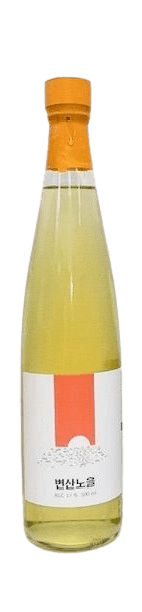
No added alcohol
Byeonsan Noeul is a medicinal liquor produced by Yuyu Brewery. Its name captures the sunset over the West Sea setting west of the Byeonsan Peninsula. Its ingredients consist of only three: rice, yeast, and purified water. In addition to these, it is brewed with glutinous rice, non-glutinous rice, and yeast. Performance 13, with added quince and apple Rut, containing mulberry fruit extract Mulberry Breath It has a diverse lineup including...
