
index
What kind of alcohol is Makgeolli?
What is Makgeolli called in English?
Basic ingredients of Makgeolli — rice, yeast, water
What is Dongdongju? How is it different from Makgeolli?
Makgeolli alcohol content, calories, and nutritional content
The Benefits of Makgeolli and the Truth About Alcohol
Alcoholic beverages from other countries similar to Makgeolli
What kind of alcohol is Makgeolli?
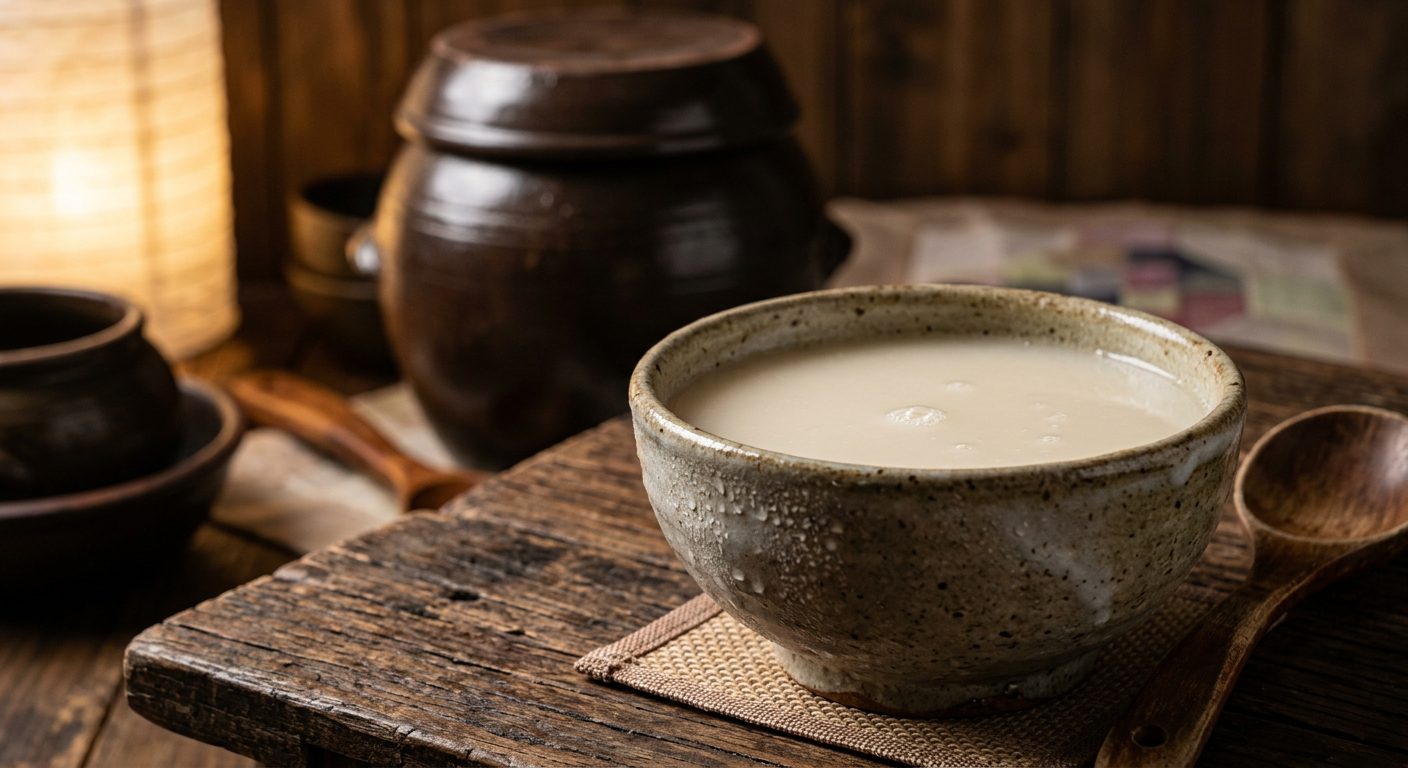
Makgeolli is made from grains such as rice or wheat. yeastIt is a traditional Korean fermented liquor made by fermenting fruit with water. It is thick and milky white in color, characterized by a complex flavor profile that harmonizes sweetness, sourness, and a slight bitterness. Shaking the bottle before pouring gives it a slightly fizzy sensation, similar to carbonation.
The etymology of the name is a combination of 'mak' and 'geolli'. Here, 'mak' signifies immediacy, meaning 'right now,' and 'geolli' comes from the word 'geolleojida' (to be filtered). In other words, it means liquor made by coarsely 'mak' (roughly filtering) the fermented mash.
Under the Liquor Tax Act, makgeolli Takju (濁酒)It is classified as. 'Tak (濁It uses the character )', which means it is a type of liquor that appears cloudy because the rice sediment does not settle.
Haeseo, which farmers used to enjoy drinking at work Farmer's wine農酒)"..." generally meant makgeolli.
- Liquor Tax Act Classification: Takju (濁酒)
- Nickname: Nongju (農酒), Dongdongju
- Features: Unfiltered or semi-filtered, contains live yeast and lactic acid bacteria
The history of brewing alcohol by fermenting grains in Korea dates back at least to the Three Kingdoms period. According to the Goryeo Dynasty document 『Jewangungi (帝王韻紀In )』, there is a record stating that rice wine was drunk during the reign of King Dongmyeong of Goguryeo.
The history book of the Jin Dynasty of China, *Samgukji* (三國志The *Dongyi-jeon* in the *Weishu* also contains a record stating that “the people of Goguryeo are skilled at brewing alcohol.” However, these records do not directly refer to the form of takju, that is, modern-day makgeolli.
It is impossible to know whether the alcohol of that time was unfiltered Takju or clear Cheongju. However, the culture of brewing alcohol by fermenting rice has continued since that era, and Makgeolli can be seen as a drink that has established itself in its current form based on that tradition.
What is Makgeolli called in English?

The most widely used expression currently is Korean rice wineThis expression is also commonly used in official events and export labels.
However, strictly speaking, the translation 'rice wine' is not exactly right.
While wine is produced by the direct fermentation of fruit sugars, makgeolli undergoes a double fermentation process in which the starch in rice is first broken down into sugars and then converted into alcohol.
This method is closer to beer than to wine. Therefore, some argue that 'Korean rice beer' or 'Korean rice brew' are more accurate terms.
Several versions of the English spelling are used interchangeably. Makgeolliis the official spelling according to the Korean Romanization system (based on the National Institute of Korean Language standards), and, Makkoliis a notation introduced from Japan.
‘'Makkoli' was written using the local pronunciation by Japanese companies in 2009, and there have been concerns raised that this could lead to Makgeolli being misunderstood as a Japanese alcoholic beverage.
| notation | explanation |
|---|---|
| Makgeolli | Official Romanization by the National Institute of Korean Language. Recommended for export labels and international events. |
| Makkoli | Japanese spelling. Commonly used in the Japanese market. |
| Korean rice wine | The most common English description. Classified closer to wine. |
| Takju | Classification name under the Liquor Tax Act. Used in academic literature and among experts. |
For reference, in 2010, the Korean Ministry of Agriculture, Food and Rural Affairs held a contest to find an English name for Makgeolli. Out of over 3,000 entries, “Drunken Rice,” “Markelixir,” and “Makcohol” were shortlisted as finalists, and “Drunken Rice” was ultimately selected. However, this name was never actually used. Consequently, “Makgeolli” or “Korean rice wine” remains the standard name to this day.
Basic ingredients of Makgeolli — rice, yeast, water
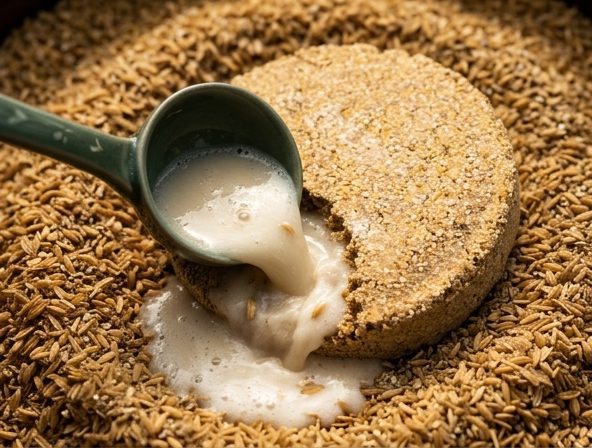
There are exactly three ingredients to make makgeolli: rice, yeast, and water. The key here is undoubtedly... yeastam.
Rice is full of starch, but yeast cannot directly convert starch into alcohol. The starch must first be broken down into sugar (glucose), and the mold inside the nuruk is responsible for this role.
Nuruk is made by kneading wheat, barley, rice, etc., with water, pressing the mixture, and then naturally drying it. During this process, various microorganisms from the air are naturally inoculated.
In the yeast Aspergillus, Rhizopus The same fungi, Saccharomyces cerevisiae yeast, and Lactobacillus lactic acid bacteria coexist.
When the amylase enzyme produced by mold breaks down rice starch into sugar, yeast converts that sugar into alcohol. The method in which these two processes occur simultaneously Parallel double fermentation竝行複醱酵)It is called...
Koji, used in Japanese sake, is produced by artificially inoculating a single strain of Aspergillus oryzae. In contrast, Korean nuruk is made by allowing various microorganisms to grow together in a natural environment, resulting in the coexistence of a much wider variety of strains. This diversity creates the complex and sometimes unpredictable flavors characteristic of makgeolli.
The taste of makgeolli varies depending on the type of rice used. When brewed with glutinous rice, the high amylopectin content results in a strong sweet taste and a soft texture.
When brewed with non-glutinous rice, it is relatively dry and the acidity is prominent. Most breweries blend the two to achieve balance.
Modern commercial makgeolli frequently uses granulated koji or refined yeast instead of traditional nuruk to reduce material costs and improve production efficiency.
In addition, puffed rice (fried rice flour) or wheat flour is sometimes mixed in instead of rice. This is why you can feel the difference in taste between makgeolli brewed using the traditional method and modern mass-produced makgeolli.
What is Dongdongju? How is it different from Makgeolli?
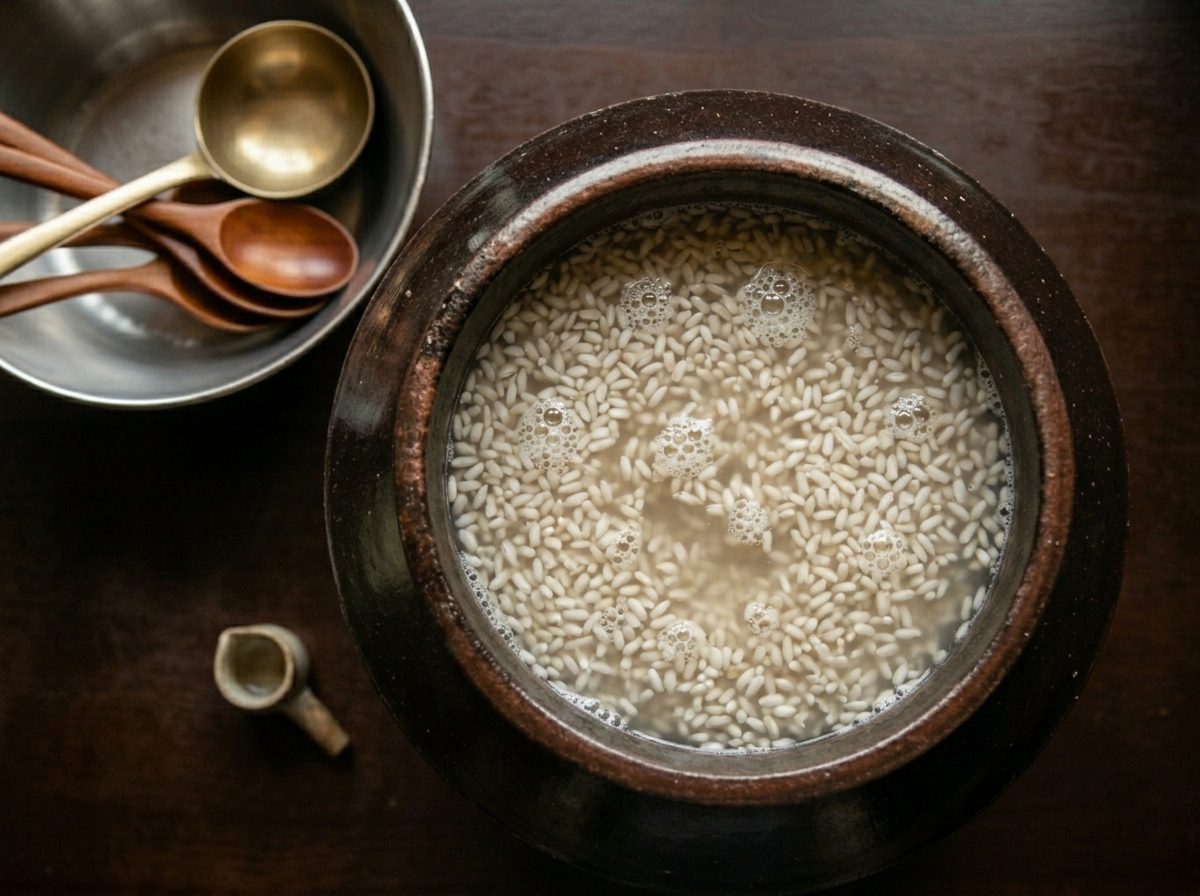
When discussing Makgeolli, there is a name that always comes up: Dongdongju. Many people wonder why they have different names when they are made with the same ingredients, if the alcohol content is the same, and which one is better.
To start with the conclusion, Dongdongju and Makgeolli are made through the same fermentation process, but Alcohol that differs in the time and method of extractionam.
The principle behind making Dongdongju
It is easy to understand if you imagine the process of brewing makgeolli. When yeast and water are mixed with steamed rice to start fermentation, the rice grains initially float to the top of the mash.
At that time, the name 'Dongdongju' was given because the rice grains floated like sikhye. In Chinese characters, Buuiju浮蟻酒)It is written as such, and it is a name given because the floating rice grains look like ants.
As fermentation progresses, the rice grains all sink to the bottom, and clear rice wine rises to the top of the fermentation vessel. Pour out this clear wine, and if you strain the lees remaining at the bottom and mix them with water, that is makgeolli (takju).
In other words, Dongdongju is scooped out during the intermediate stage of fermentation, and Makgeolli is made by fermenting until the end and filtering out the lees.
Key differences
| item | Dongdongju | Makgeolli |
|---|---|---|
| Time of collection | Mid-fermentation, point where rice grains float | Filter the lees after fermentation is complete |
| appearance | Translucent to clear, rice grains floating | hazy |
| Alcohol content | 10% or more (no dilution) | 6~8% (diluted with water) |
| 맛 | Sweet and savory, carbonation, alcohol felt on the throat | Sweetness + Sourness + Bitterness, Milky White Savory Flavor |
| regionality | Gyeonggi region folk liquor | Local liquors from all over the country |
The difference in alcohol content is greater than expected. Since Dongdongju is a liquor scooped out without being diluted with water, its alcohol content is 101 TP3T or higher.
On the other hand, makgeolli is distributed at a level of 6 to 81 TP3T because water is mixed with the lees after fermentation to dilute it.
If you overdrink dongdongju because it is sweet and goes down smoothly, you get drunk much faster than with makgeolli. It didn't get the nickname "sitting-down liquor" for nothing.
If you order 'Dongdongju' at a restaurant and are served a cloudy drink that looks like Makgeolli, it is highly likely that it is not real Dongdongju. It is either a case where puffed rice grains have been added to Makgeolli to make it look like Dongdongju, or a case where a Makgeolli product has been given the name 'Dongdongju' simply because it sounds good.
The Ministry of Food and Drug Safety effectively allows the interchangeable use of names, as both Makgeolli and Dongdongju fall under the category of Takju.
Makgeolli alcohol content, calories, and nutritional content
[Image insertion location: Nutritional component flatlay image]
Alcohol content
The average alcohol content of commercially sold makgeolli is 6~8% ABVall.
Some premium traditional makgeolli can reach up to 10–131 ABV. The actual fermented base liquor has an ABV of 12–211 ABV, but the alcohol content is lowered by diluting it with water during distribution.
Soju (16%), BeerCompared to (4~5%) and wine (12~14%), Makgeolli is located somewhere in the middle. It is higher than beer but much lower than Soju.
calorie
Makgeolli is relatively low in calories compared to other alcoholic beverages. According to a survey by the Korea Consumer Agency, the average calorie content of a 750ml bottle of Takju (Makgeolli) is 372kcal, which is lower than that of Soju (360ml) at 408kcal but higher than that of beer (500ml) at 236kcal. The calorie content per 100ml ranges from 42 to 55kcal, depending on the product.
| Master and servant | Standard capacity | calorie | Alcohol content |
|---|---|---|---|
| Makgeolli | 750ml | Approximately 345~405kcal | 6~8% |
| Beer | 500ml | Approximately 200~250kcal | 4~5% |
| soju | 360ml | Approximately 400~420kcal | 16~25% |
| Wine | 750ml | Approximately 525~595kcal | 12~14% |
Looking only at the calorie count, makgeolli may seem to have the lowest, but drinking a whole 750ml bottle is equivalent to about one and a half bowls of rice (about 400kcal).
Nutritional details
Based on the National Standard Food Composition Table (per 100g), the components of Makgeolli are as follows.
| Nutritional components | Content (per 100g) | note |
|---|---|---|
| moisture | 91% | chief ingredient |
| protein | 0.98~1.9% | About 5 times that of beer (0.41 TP3T), incomparable to soju (0.1 TP3T). |
| carbohydrate | 1.56% | Contains 0.521 TP 3 T of sugars |
| Dietary fiber | 0.6% | Similar level to tomatoes (0.8%) |
| province | 0.15% | very small amount |
| organic acids | Approximately 0.81 TP3T | Lactic acid, citric acid, malic acid, etc. |
| B vitamins | B1, B2, B3, B6, folic acid | Approx. 68μg of B2 and 50μg of B3 per 200ml |
| essential amino acids | 7 out of 8 types | Produced by the breakdown of protein during the fermentation process |
| Probiotics (Fresh Makgeolli) | 100 million to 10 billion organisms per 100ml | Similar to yogurt (about 1 billion bacteria per 100ml) |
The Benefits of Makgeolli and the Truth About Alcohol
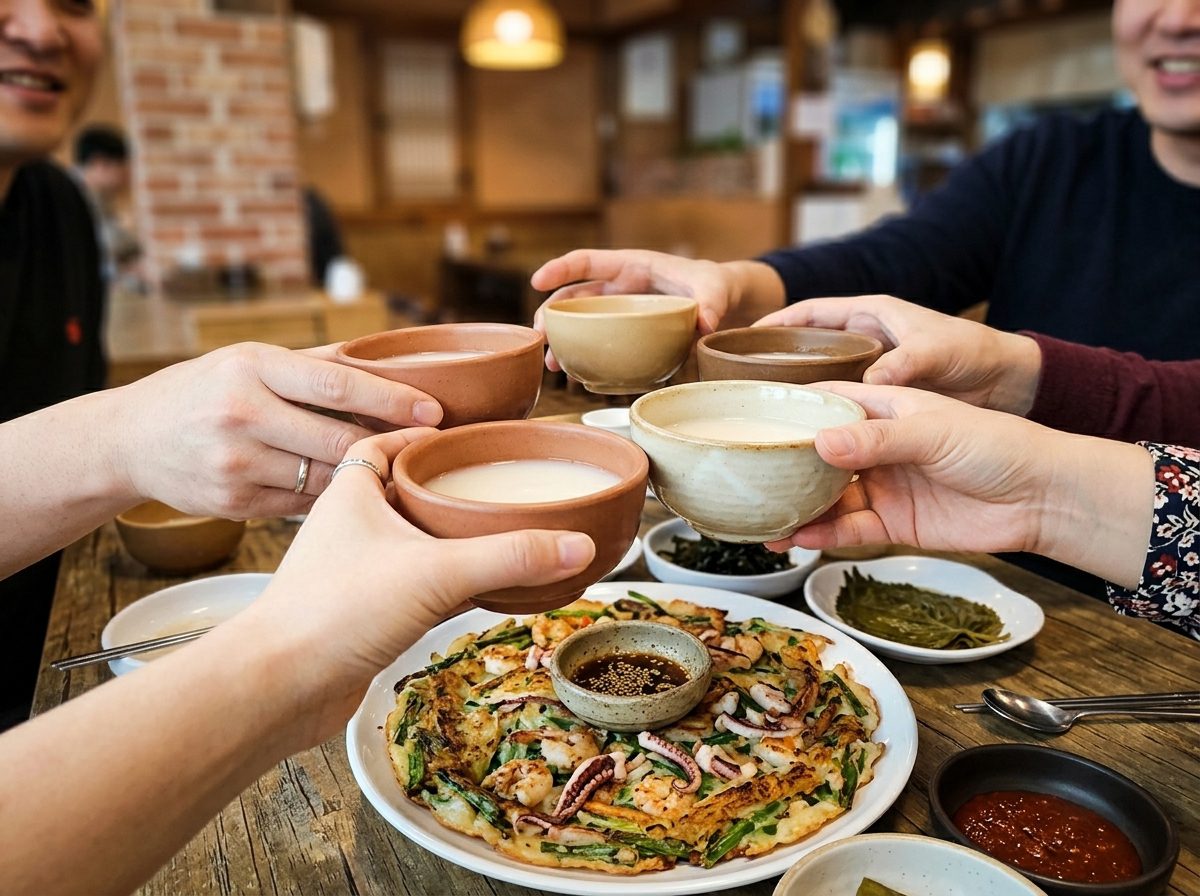
There are many health stories surrounding makgeolli. Claims include that it is rich in probiotics, contains anti-cancer properties, and is good for the skin. However, it is necessary to distinguish between what is actually supported by research and exaggerated myths.
Things confirmed by research
Probiotics and Gut HealthThere is some basis for this. Unpasteurized raw makgeolli contains approximately 100 million to 10 billion live lactic acid bacteria (Lactobacillus spp.) per 100ml.
These lactic acid bacteria inhibit the proliferation of harmful bacteria in the intestines and maintain an acidic intestinal environment to help immune function.
In a 2019 study by the Gyeonggi Provincial Institute of Health and Environment, antioxidant effects and antibacterial activity were confirmed in 14 strains of makgeolli lactic acid bacteria.
Antioxidant activityThis has also been measured in numerous studies. Results showing that organic acids, phenolic compounds, and yeast components produced during the fermentation process have an inhibitory effect on free radicals have been published in international academic journals.
Although numerous studies have been conducted regarding blood pressure reduction, blood sugar suppression, and anticancer activity, most are in vitro experiments or small-scale studies, so there is still insufficient evidence to confirm their applicability to humans.
Things that are exaggerated or still uncertain
- “Makgeolli is an anti-cancer food.” — It is true that it contains small amounts of potentially anticancer ingredients such as farnesol, squalene, and beta-sitosterol. However, human studies have not yet proven whether the content of these ingredients is clinically significant or whether the benefits outweigh the carcinogenicity of alcohol.
- “Makgeolli is a diet drink.” It is true that it is relatively low in calories compared to other alcoholic beverages. However, since alcohol inhibits fat metabolism and stimulates appetite, the expression "alcohol beneficial for dieting" is actually a misconception.
- “Fresh makgeolli has much more lactic acid bacteria than yogurt.” — The numbers may be correct. However, the survival rate and intestinal delivery efficiency of lactic acid bacteria in an alcoholic environment are difficult to compare simply with fermented milk products. Drinking makgeolli to consume lactic acid bacteria is putting the cart before the horse.
In the end, it's alcohol.
No matter how diverse the nutritional components of makgeolli may be, one fact must be clearly addressed. Makgeolli is alcohol. And alcohol is not beneficial to health.
The International Agency for Research on Cancer (IARC), under the WHO, has been [regarding] alcoholic beverages since 1988 Group 1 CarcinogenIt is classified as.
It is in the same category as asbestos and cadmium. Subsequently, in the 2009 reassessment, the metabolite of alcohol acetaldehyde It was also separately included as a Group 1 carcinogen.
This classification makes sense when looking at the process of alcohol metabolism in the body. Ethanol is oxidized to acetaldehyde by alcohol dehydrogenase in the liver.
Acetaldehyde directly binds to DNA to interfere with DNA replication, and also attaches to microtubules and collagen, which are part of the cytoskeleton, disrupting cell functions.
If this process is repeated, mutated cells accumulate and the risk of developing cancer increases.
The IARC has made it clear that there is “no safe limit” on alcohol consumption regarding cancer development.
It is true that makgeolli contains vitamins and probiotics, but those benefits do not offset the toxicity of the alcohol.
Makgeolli can be enjoyed as a food culture and a tool for socializing, but it is unreasonable to approach it as a health drink.
For adult men, the daily intake is 250ml (one bowl) or less. For women and those with rapid facial flushing, less than half that amount is recommended. In particular, individuals with severe flushing reactions have low ALDH2 enzyme function, leading to high acetaldehyde accumulation and a significantly higher risk of esophageal cancer.
Alcoholic beverages from other countries similar to Makgeolli
The manufacturing principle of Makgeolli is that mold breaks down starch into sugar while yeast simultaneously produces alcohol. Parallel double fermentation The structure is an ancient brewing method found throughout East Asia. Around the world, there are traditional fermented alcoholic beverages with roots similar to Makgeolli, each possessing distinct flavors and characteristics due to differences in the type of starter and filtration methods used.
Doburoku (どぶろく)

If you were to name the alcohol most similar to Makgeolli, it would undoubtedly be Japan's Doburoku.
It is an unfiltered rice fermented beverage made by mixing steamed rice with koji, yeast, and water and fermenting them all at once. Its appearance is cloudy like Makgeolli, and it has a similar sensation of slight carbonation. The alcohol content ranges from 6 to 81 TP3T, which is almost the same as Makgeolli.
The difference lies in the fermentation starter. Makgeolli uses nuruk in which various wild microorganisms coexist, whereas Doburoku uses artificially cultured koji (Aspergillus oryzae), a single fungal strain.
As a result, Doburoku has a cleaner aroma and a distinct rice flavor than Makgeolli, and the characteristic sour acidity of Makgeolli is relatively weaker.
What is interesting is the legal status of Doburoku. In Japan, home brewing has been virtually banned since the Meiji era (1868), and it can only be produced at shrines or certain restaurants that have received special permission.
Unauthorized brewing of doburoku is punishable by up to 10 years in prison and a fine of 1 million yen. It is essentially a regulation that has continued to this day, which was once intended to protect tax revenue.
In Japan, "Makori" is the Japanese pronunciation of Korean Makgeolli. Riding the wave of the Korean Wave in 2009, it began to be imported and sold in Japan, and some Japanese sake breweries even released their own "Wamakori" made using koji. This Wamakori is a Japanese style of Makgeolli that uses koji instead of yeast, and it is a third type of alcohol that is strictly distinct from both Makgeolli and Doburoku.
Nigorizake (にごり酒)
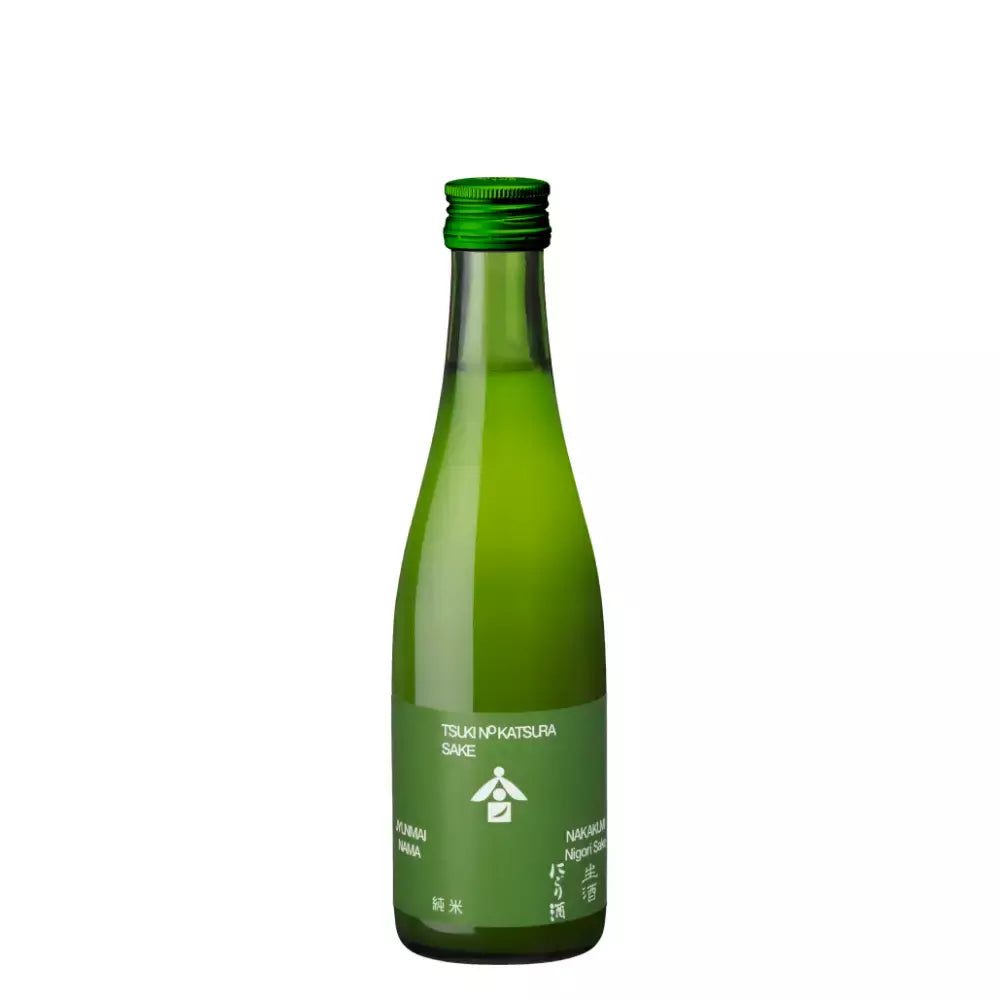
Nigori-zake is the alcoholic beverage most frequently confused with Makgeolli due to its striking resemblance. It shares many similarities with Makgeolli, from its cloudy white color and the method of pouring by shaking the bottle to its slightly sweet taste. However, the principles of its production are quite different.
Regular sake is filtered by squeezing the fermented mash through a fine cloth to make it clear. Nigori-sake, however, uses a coarse cloth during this process to allow some of the rice solids to pass through.
Legally, because it undergoes a filtration process, it is classified as official sake under the Japanese Liquor Tax Act. If Doburoku is a liquor outside the law, Nigori-zake is essentially a liquor that embodies turbidity within the law.
There are two decisive differences from Makgeolli. Since it uses a saccharification method with a single koji strain, it does not have the parallel double fermentation structure found in Makgeolli, and because it has undergone filtration, no lactic acid bacteria remain.
The alcohol content is 12 to 151 TP3T, which is much higher than that of Makgeolli. Due to their similar appearance, Makgeolli and Nigori-zake are sometimes confused overseas, but it is correct to consider them as completely different drinks in terms of their manufacturing principles and alcohol content.
Laojiao糟)
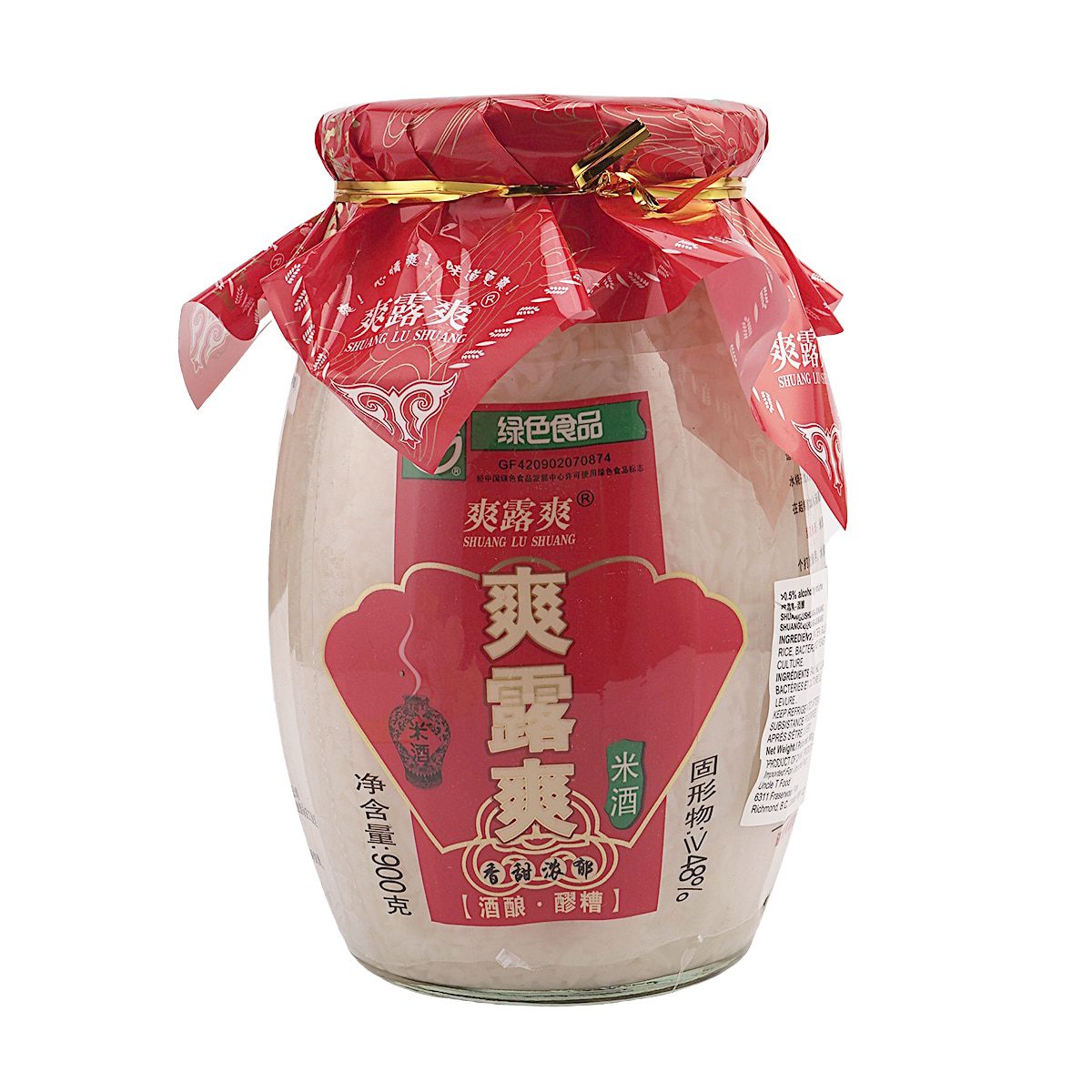
In China Lao Zhao (醪糟)There is a fermented rice called [name]. In central China, including Sichuan, it is called Laojiao, and in other regions, Zhuniang (酒酿It is also called ).
glutinous rice with koji (酒麴, It is inoculated with a starter cake and fermented for 2 to 5 days, with the rice grains submerged in a sweet fermented liquid while maintaining their shape.
It is a parallel double fermentation structure in which Rhizopus fungi break down starch into sugar and yeast produces alcohol, and since it is not filtered, the rice grains remain intact.
With an alcohol content of 1.5–3.51 TP3T, it is much lower than Makgeolli, and is used more as a food ingredient or dessert than as a beverage. Tangyuan (湯圓Typical methods include using the broth to boil traditional rice cakes or adding beaten eggs to eat warm.
Although it is positioned closer to a fermented food than an alcoholic beverage for intoxication, it shares the same lineage as Makgeolli in terms of the principles of parallel double fermentation and non-filtration.
Rượu nếp
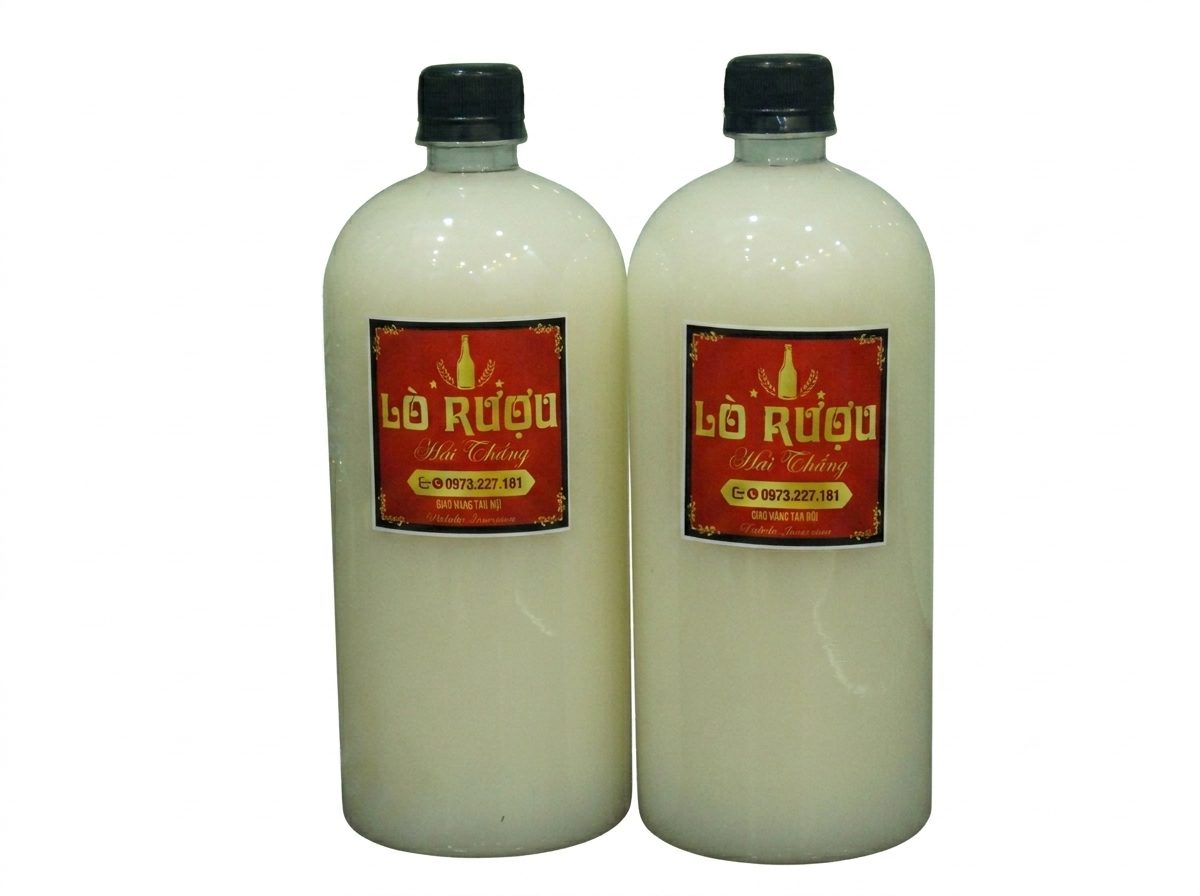 In Vietnam, there is a fermented glutinous rice dish called Rượu nếp. Steamed glutinous rice is mixed with men (fermented starter cake), wrapped in banana leaves, and fermented; the finished product is a cloudy pudding-like shape with the rice grains remaining intact.
The thinner version is drunk, while the thicker version is eaten with a spoon. It has a very low alcohol content and is sweet with a faint alcoholic aroma. In Vietnam, it is a traditional food eaten on the fifth day of the fifth lunar month and is considered beneficial for health.
In the mountainous central region of Vietnam, there is also Rượu cần, brewed in a similar way. It is famous for its communal drinking culture, where it is served in earthenware jars and shared among many people through long tubes.
If Luo Neop is closer to food eaten by an individual, Luo Gan is closer to alcohol shared by the village at rituals or festivals.
| 술 | nation | Starter | Alcohol content | Difference from Makgeolli |
|---|---|---|---|---|
| どぶろく (Doburoku) | japan | Koji (single strain) | 6~8% | Low acidity and clean. Home brewing is virtually forbidden. |
| Nigorizake (Nigorizake) | japan | Koji (single strain) | 12~15% | Coarse filtration, no probiotics. Only the appearance is similar. |
| 醪糟 (Lao Zhao) | china | Main country (酒麴) | 1.5~3.5% | Very sweet and low alcohol content. Strong food character. |
| Rượu nếp | vietnam | Men | Very low | Close to the form of pudding. Consumed as food |
The key commonality among these alcohols is one thing: the process in which mold breaks down rice starch and yeast converts it into alcohol occurs simultaneously, and filtration is minimized so that the fermented product remains intact.
Differences arose in the types and management methods of fermentation starters, and these differences created the unique flavors and cultures of each alcoholic beverage.


