
At the eastern end of Gyeonggi-do, where the South Han River and the North Han River meet and begin to flow as the single Han River Yangpyeong-gunThere is. Although it is only a little over an hour's drive from Seoul, the scenery created by the riverside fog and the mountain range feels unfamiliar, like a completely different world.
Yangpyeong is where two rivers mingle. Yangseo-myeon, embracing a thousand-year-old temple and a ginkgo tree Yongmun-myeon, where literature and forests coexist Seojong-myeon, with a valley and a temple together Okcheon-myeon, And all the way to Yangpyeong-eup, where the five-day market is held, five faces flow at different speeds.
This article follows those five regions to introduce nine representative spots of Yangpyeong. From the misty riverside at dawn to ginkgo trees over a hundred years old, birch forests, valleys, and the vibrancy of the five-day market—these are places that reveal different faces depending on the season.
index
Yangseo-myeon
Dumulmeori
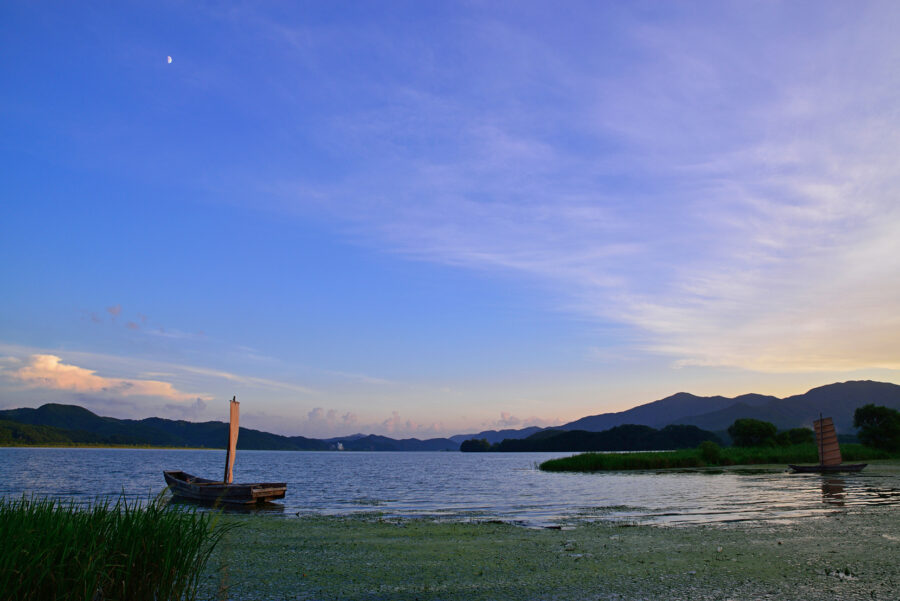
DumulmeoriIt is the place where the Bukhan River, flowing from Mt. Geumgang in Gangwon-do, and the Namhan River, originating from Geomnyongso, merge into one. In Chinese characters, it is Yangsuri (兩水里It is called ).
The waters that merge here finally acquire the name Han River and flow across the heart of Seoul. A zelkova tree over 400 years old stands by the riverbank, feeling like a witness that has guarded this spot for a long time.
The scenery of mist rising over the river between 6 and 8 in the early morning is particularly famous. It has long been regarded as a place of outstanding scenery, to the extent that the Joseon Dynasty painter Gyeomjae Jeong Seon depicted this area in his paintings.
Since this was the site of a ferry landing in the past, ornamental boats are still floating there, but they are not actually in operation. Instead, renting a bicycle and taking a loop around the riverside promenade is a popular activity.
Dumulmeori
145, Dumulmeori-gil, Yangseo-myeon, Yangpyeong-gun, Gyeonggi-do · Open 24 hours a day, 365 days a year · No admission
Semiwon

SemiwonIt is an aquatic plant garden located right next to Dumulmeori. It has a name that means, "Looking at water cleanses the mind, and looking at flowers beautifies the mind.".
In summer, the pond fills with blooming lotus flowers, painting the entire garden in shades of green and pink. There is a walking path that crosses the pontoon bridge and leads to Dumulmeori, making it a natural route to visit both places at once.
Traditional landscaping elements such as the Jangdokdae Fountain, Sehanjeong, and Sarinjeong are placed throughout the site, and water lilies can be viewed in the indoor exhibition hall regardless of the season. There are also many visitors during the autumn chrysanthemum festival.
Semiwon
93 Yangsu-ro, Yangseo-myeon, Yangpyeong-gun, Gyeonggi-do · 09:30~18:00 · Adults 8,500 won / Children 6,000 won
Yongmun-myeon — Thousand-Year-Old Temples and Valleys
Yongmunsan Tourist Area
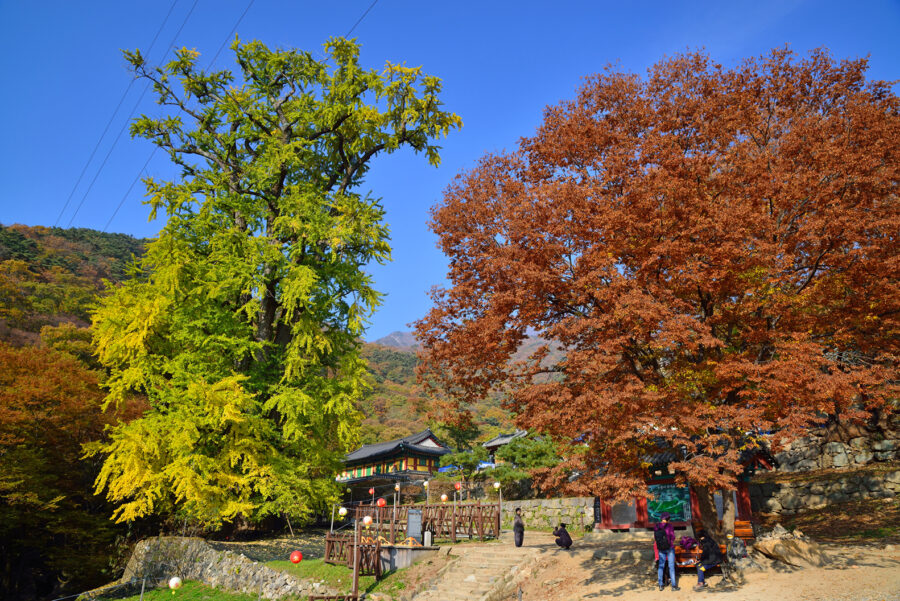
Yongmunsan Tourist AreaYongmunsa (Dragon Gate TempleIt is a park centered around the temple and the giant ginkgo tree that stands in front of it. Legend has it that a walking stick planted by the monk Uisang during the Silla Dynasty took root and grew into this tree.
This ginkgo tree is estimated to be about 1,100 years old and stands over 40 meters tall. As it is considered the largest ginkgo tree in the East, there is a constant stream of visitors coming to see the tree dyed in golden hues in the autumn.
It is about 1km from the ticket office to Yongmunsa Temple, a walk along a gentle forest path. Inside the temple, there is the stupa and stele of National Preceptor Jeongji, which are designated as national treasures, making it worth a leisurely look around. Behind the temple, there is a hiking trail leading to Gaseopbong Peak, the summit of Mt. Yongmun.
Yongmunsan Tourist Area
782, Yongmunsan-ro, Yongmun-myeon, Yangpyeong-gun, Gyeonggi-do · No admission · Parking fee: 3,000 won for small cars
Jungwon Valley
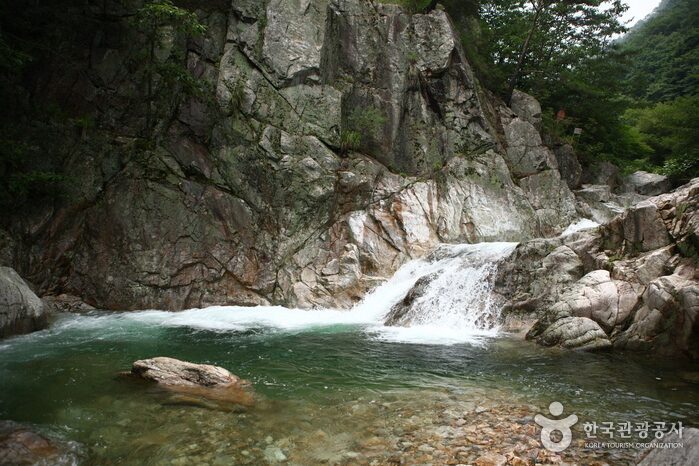
Jungwon ValleyIt is a valley flowing down from the eastern foothills of Mt. Yongmun, characterized by its clear, emerald-colored water. If you follow the valley up, you will encounter Jungwon Falls, a small waterfall.
During the summer, it is crowded with families looking to enjoy water activities. A forest path runs along the valley, making it ideal for a light stroll after swimming. However, please note that cooking is prohibited.
Jungwon Valley
Area around 706, Jungwon-ri, Yongmun-myeon, Yangpyeong-gun, Gyeonggi-do · No admission or parking fees
Seojong-myeon — Village of Literature and Forest
Hwang Sun-won Literary Village Shower Village

Shower VillageIt is a literary theme park created jointly by Yangpyeong County and Kyung Hee University to commemorate the literary world of novelist Hwang Sun-won. It recreates the setting of the short story "Shower," known as a national novel, in an actual space.
Scenes from the novel, such as stepping stones, a sorghum stalk path, and a wildflower village, have been recreated exactly as they are, and artificial showers fall at set times in the outdoor Shower Square. It is a special place for the generation that read this novel in their textbooks when they were young.
Inside the literary museum, Hwang Sun-won's personal belongings and handwritten manuscripts are displayed in three exhibition rooms, allowing visitors to explore the author's life and world of work.
Hwang Sun-won Literary Village Shower Village
24, Sonagimaeul-gil, Seojong-myeon, Yangpyeong-gun, Gyeonggi-do · Closed every Monday (the following day if Monday is a public holiday)
Seohuri Forest
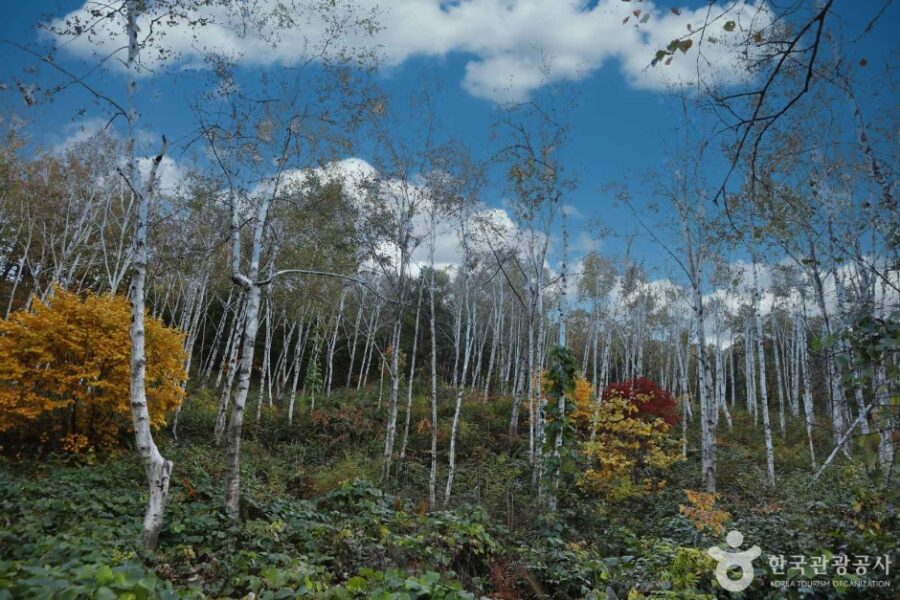
Seohuri ForestIt is a private arboretum that has opened 100,000 pyeong of its 300,000 pyeong private forest as walking trails. It opened in 2014 and focuses on preserving the forest in its natural state rather than on artificial landscaping.
The forest is divided into sections by tree species, such as Korean pine, maple, and metasequoia forests, and among them, the most popular spot is the birch forest located deep inside. The white, shining tree trunks brightly illuminate the entire forest.
The walking course is divided into Course A, a 1-hour course, and Course B, a 30-minute course. It is recommended to wear comfortable walking shoes and long pants, and food and backpacks are restricted.
Seohuri Forest
200, Geobukbawi 1-gil, Seojong-myeon, Yangpyeong-gun, Gyeonggi-do · 09:00–18:00 (March–November) (Closed on Wednesdays and Dec–February) · Adults 8,000 won
Okcheon-myeon — A place where valleys and temples coexist
Sanasa Valley
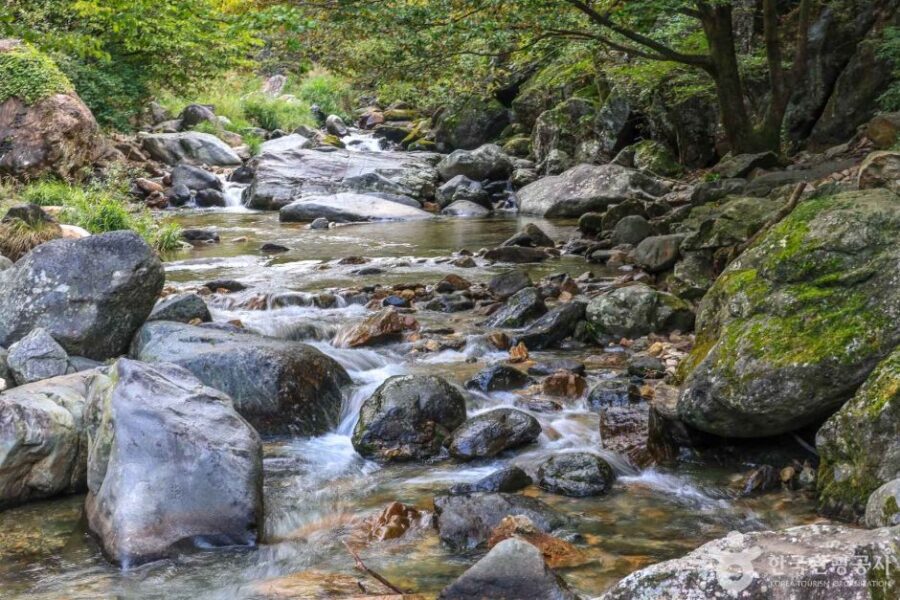
Sanasa ValleySanasa Temple, located at the southwestern foot of Mt. Yongmun (舍那寺It is a valley that flows along the path leading to ). It is wide and has abundant water, so it attracts many vacationers in the summer.
The entrance to the valley is shallow, making it good for children to play, and it becomes quieter as you go further up. Walking along the valley, you reach Sanasa Temple, which was founded in the 7th year of King Gyeongmyeong of Silla (923).
This temple was rebuilt to a scale of 140 kan by the eminent monk Taego Bou Guksa during the late Goryeo Dynasty, where he spent his final years. Within the temple grounds remain the Wonjeung Guksa Pagoda, which enshrines his relics, and the Wonjeung Guksa Stone Bell Stele. It is designated as a Gyeonggi-do Tangible Cultural Heritage.
Near the temple is Hamwanghyeol, a site steeped in a legend involving King Ham, a local powerful clan leader of the Goryeo Dynasty, making it a place where you can combine water activities with historical exploration. If you have the stamina, a hiking trail leads to the summit of Baegunbong.
Sanasa Valley
Area around 1082-12, Yongcheon-ro, Okcheon-myeon, Yangpyeong-gun, Gyeonggi-do · Open year-round · No admission or parking fees
Yangpyeong-eup
Yangpyeong Mulmalgeun Market
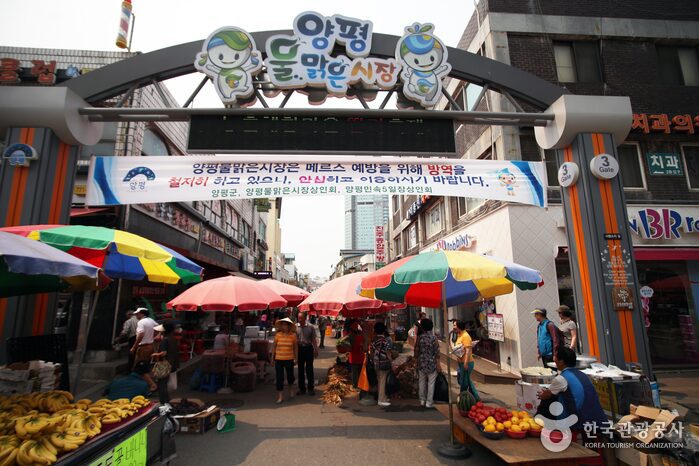
Yangpyeong Mulmalgeun MarketIt is a traditional market in Yangpyeong-eup where a permanent market and a five-day market operate together. Galsan Market, recorded as a 2-day and 7-day market in late Joseon Dynasty literature (葛山場) is said to be the origin.
Later, the market days were moved to the 3rd and 8th, and even now, on days when the calendar ends in 3 or 8, about 200 street stalls are added to the 400 permanent shops, bringing the entire market to life.
On market days, there is an abundance of food, ranging from stalls frying mung bean pancakes on the spot to old-fashioned fried chicken with long lines and hot hangover soup restaurants. Due to the characteristics of the inland region, shops dealing in fresh freshwater fish or dried seafood also stand out.
Yangpyeong Mulmalgeun Market
11-1, Yangpyeongsijang-gil, Yangpyeong-eup, Yangpyeong-gun, Gyeonggi-do · Permanent market open daily, 5-day market on the 3rd and 8th of every month
Yangpyeong Shija Park
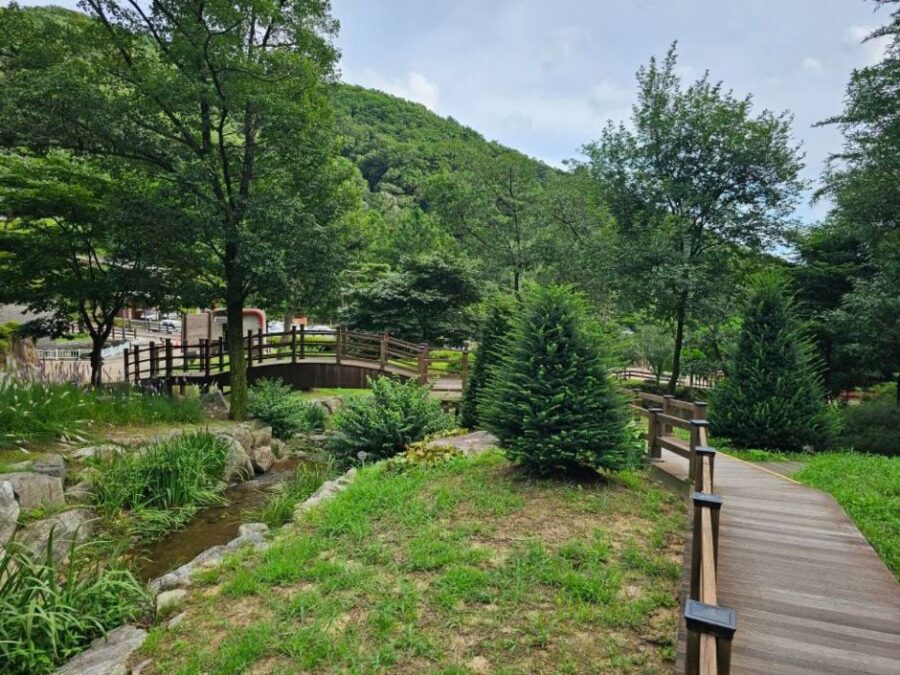
Yangpyeong Shija ParkIt is a forest culture and recreation complex named with the meaning of "play well and rest well." It was created by preserving the natural hilly terrain at the foot of Mt. Yongmun.
Artificial waterfalls, observation decks, wildflower gardens, and rock climbing walls are scattered along the walking paths that wind up and down the hills. The route is designed to allow visitors to view diverse scenery without steep inclines.
The park features a 'House of Healing' for forest therapy and 'Chogawon,' a traditional Korean-style accommodation, making it a destination for both day walks and overnight stays.
Yangpyeong Shija Park
193, Shijapark-gil, Yangpyeong-eup, Yangpyeong-gun, Gyeonggi-do · Summer (March–October) 09:00–18:00, Winter (November–February) 09:00–17:00


