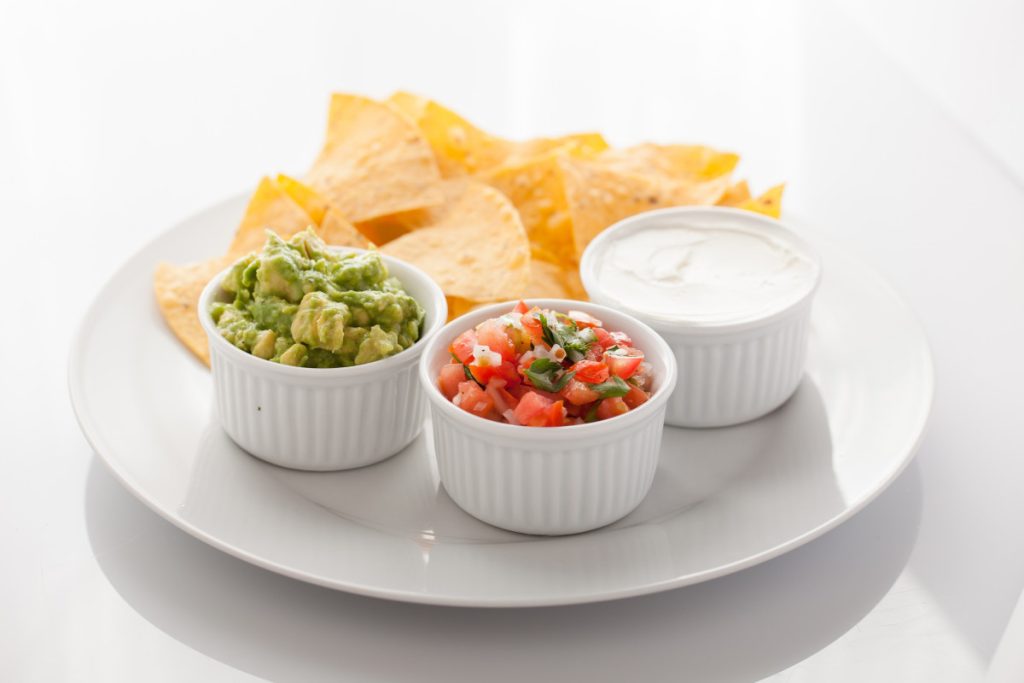
Sour cream is a dairy product generally made by fermenting cream. Lactic acid bacteria are added to the cream to convert its natural sugars into lactic acid, changing the sweetness to a tangy flavor and increasing its consistency. Well-made sour cream offers a smooth, creamy, yet substantial texture and a natural, subtle acidity. As with other dairy products, its shelf life is generally short, typically between 5 and 7 days; however, sour cream free of contaminants can be used for about 2 to 3 weeks after the expiration date if refrigerated. Be aware that if the quality of sour cream deteriorates, it may emit an odor similar to spoiled milk. Depending on the product, the calorie content is approximately 190-250 kcal per 100g and contains 3g of carbohydrates, 3g of protein, and 19g of fat.
Sour cream is used in a variety of dishes, particularly in Mexico, Eastern Europe, Russia, and the United States. It is used as a dipping sauce, an ingredient in soups and stews, and in baking, and is commonly seen on our tables as a topping for dishes such as potatoes, tacos, or beef stroganoff.
Where was sour cream first made?
Sour cream is known to have originated in Eastern Europe, such as Russia and Poland, where livestock farming was prevalent. In the past, when refrigeration facilities were unavailable and a method to preserve milk for extended periods was needed, fermentation acted as a natural preservative, allowing milk to be stored for longer durations.
The relatively cool climates of Eastern Europe and Russia appear to have been naturally suitable for this fermentation process, as the fermentation of milk occurred naturally even at relatively cool indoor temperatures.
Sour cream added the pleasant tartness that characterizes many regional dishes, and people introduced it to various parts of the world as they migrated. With its sophisticated acidity and creamy texture, sour cream adapted to suit different flavors and cooking methods in each new region, becoming a staple in local cuisine. For example, the sour cream called "crema" in Mexican cuisine is thinner and less sour than traditional Eastern European sour cream, and it is unparalleled at balancing the spiciness of chili peppers.
Making sour cream
Cream separation and fermentation preparation
Sour cream is made by fermenting high-fat cream (generally 181 TP3 T or more). In the traditional method, milk was first placed in a bowl and allowed to naturally rise to the surface, after which only the top layer of cream was skimmed off. This skimmed-off cream was spread out in a wide, shallow dish to ferment, which increased the surface area in contact with air and promoted natural fermentation.
Fermentation and aging
The cream in the fermentation vessel is fermented by lactic acid bacteria naturally present in the surrounding environment. During this process, the lactic acid bacteria convert the lactose in the cream into lactic acid, thereby lowering the cream's pH. When the pH drops, casein protein, one of the major proteins in milk, becomes unstable in a slightly acidic environment and aggregates, creating the familiar, thick texture.
To properly ferment sour cream, the ambient temperature must be maintained between 20°C and 25°C, and it must be fermented for at least 24 hours. While it is common to ferment it for about 2 to 3 days using traditional methods, the fermentation time may be longer depending on the ambient temperature and the activity of naturally occurring microorganisms. The probiotic lactic acid bacteria produced during this fermentation process are beneficial intestinal microorganisms that help improve digestive function.
In modern commercial manufacturing processes, certain types of lactic acid bacteria (Lactococcus lactis species and Leuconostoc It is said that various types of lactic acid bacteria are used in addition to the representative strains, and productivity is increased by keeping the fermentation temperature constant to shorten the fermentation time to about 12-24 hours.
Cooling, post-processing, and storage
Once fermentation is complete, the product is rapidly cooled to halt microbial activity and stop the fermentation process. After cooling, stirring is performed as needed to soften the texture and enhance flavor by exposing it to oxygen. The finished product is then stored in the refrigerator, away from direct sunlight. Once completed, it can be kept for as little as one week, or for 2-3 weeks if sealed and properly refrigerated; however, it should not be frozen. Freezing damages the texture and causes the components to separate, rendering it unable to function properly.
How are sour cream and yogurt different?

We intuitively know that sour cream and yogurt are distinct, but when you actually think about it, it is often difficult to explain exactly how they differ. This is likely because they share many similarities as creamy dairy products with a tangy acidity. Let's take a look!
First, sour cream is made by fermenting cream with lactic acid bacteria, whereas yogurt is made by fermenting milk instead of cream. There is also a difference in the types of bacteria used for fermentation, and the bacteria generally used when making yogurt Lactobacillus bulgaricus와 Streptococcus thermophilus Lactic acid bacteria such as these are thermophilic fungi that are active at high temperatures between 40°C and 45°C, and are widely used when making sour cream. Lactococcus lactis나 Leuconostoc mesenteroidesIt is said that bacteria such as [the bacteria] are active between 20°C and 25°C, as described above.
Since the fermentation bacteria and environments differ, this affects the characteristics of each product; sour cream ferments slowly at low temperatures, resulting in a smooth and subtle sour taste, while yogurt ferments rapidly at high temperatures, giving it a stronger sour taste and a denser texture.
| characteristic | sour cream | 요gut |
|---|---|---|
| productionmethod | Manufactured by fermenting cream using lactic acid bacteria. | Fermenting milk using specific lactic acid bacteria (e.g., Lactobacillus bulgaricus, Streptococcus thermophilus). |
| fat content | Generally high, The average fat content is about 18-201 TP3T. | Variety, from low-fat to high-fat |
| protein | Low protein content compared to yogurt. | High protein content. |
| zymogen | Lactobacillus spp., Leuconostoc spp. etc. | Lactobacillus bulgaricus and Streptococcus thermophilus are mainly used. |
| 맛 | With a soft, velvety texture, It has a distinctive sour taste that is less intense than yogurt. | Generally, the sour taste is stronger, and the texture varies depending on the product. It can be watery or creamy. |
| Calcium content | Lower than yogurt. | High calcium content, often also contains vitamins D and A. |
| beneficial bacteria | It contains a small amount of probiotics, but less than yogurt. | Contains a significant amount of probiotics, making it good for digestive health. |
How to Choose Good Sour Cream
When selecting sour cream, it is best to choose one with a short and simple ingredient list. This is because cream and probiotics alone are sufficient to make the best product. Ideally, it should be additive-free; however, be aware that for low-fat products that use ingredients like gelatin or guar gum to achieve the creamy texture, additives can affect the flavor.
How to use sour cream
Sour cream can be used in a variety of recipes, but by far its first use is as a dipping sauce. Adding herbs like dill, chives, and parsley along with minced garlic to sour cream, seasoned with salt, and a touch of lemon juice creates a dipping sauce that pairs fantastically with crunchy celery or roasted potatoes. Using familiar green onions or chives instead of dill or chives also works wonderfully. When the finished sauce is enjoyed with moist roasted potatoes, nachos, or crisp celery, a wave of happiness washes over you.
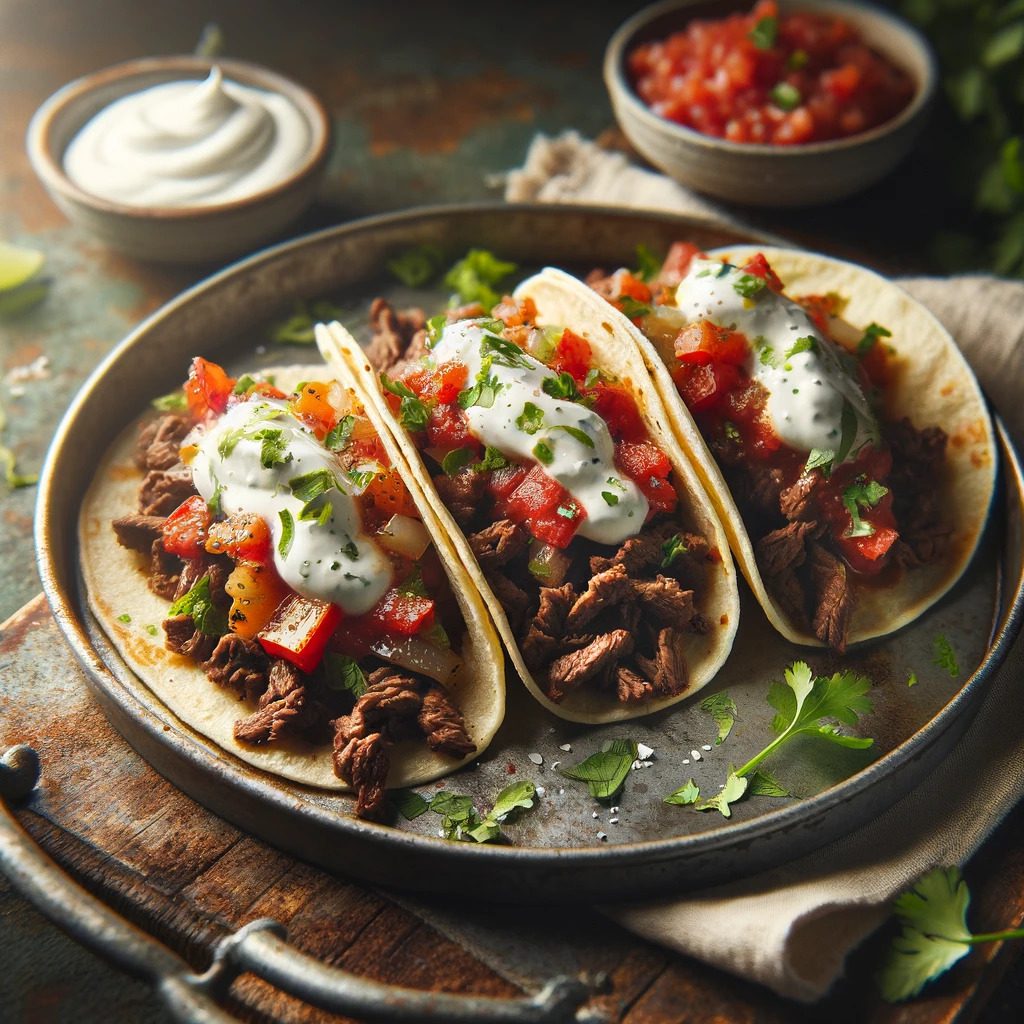
Tacos and chilies are indispensable in cooking recipes. Mexican sour cream, known as 'crema,' is placed on top of Mexican-style tacos to balance the flavors and enrich the taste by adding a tangy and creamy kick to meat, salsa, lettuce, and cheese. It also serves to neutralize the spiciness when paired with chilies, making it an essential sauce in Mexican cuisine.
Beef Stroganoff is a must-try in Russia. This soup dish features beef, onions, and mushrooms cooked in a cream sauce; it balances the overall flavor by adding tenderness and freshness to the rich taste of the meat and mushrooms. While excellent on its own, Beef Stroganoff is also delicious when made into pasta.
If we were to look for another partner, wouldn't it be salmon? Adding a little sour cream over salmon steak or grilled salmon creates a wonderful flavor where the savory taste of the salmon combines with fresh creaminess. In Russia, the flavors pair so well with salmon that there is even a dish called 'blini' where small pancakes are topped with small portions of salmon and sour cream.
Making Sour Cream Dressing
Ranch dressing is completed by adding 100g sour cream, 40g mayonnaise, 50g minced onion, 1/2 tablespoon salt, 2 teaspoons sugar, 1 tablespoon lemon or lime juice, and parsley or other herbs, and mixing well. It will be made with a thick consistency suitable for spreading on bread, but to make a dressing good for drizzling over salads, it is recommended to adjust the consistency by mixing in milk.
There are various other uses as well; it is often mixed with spices and herbs to marinate meat. Its acidity tenderizes the meat and enhances its flavor, allowing you to create juicy and tender dishes. Sometimes, it is used when making desserts or cheesecakes to add a luxurious and creamy flavor. What if you need sour cream but don't have any? Try using unsweetened plain yogurt or Greek yogurt with lemon juice. Sour cream is sometimes used for dieting; its high fat content provides a good sense of fullness, and because it contains small amounts of carbohydrates, protein, and calcium, it is frequently used in low-carb, high-fat diets. However, since it is high in calories due to its high fat content, replacing it with Greek yogurt—which is lower in fat and relatively higher in protein—will be helpful for your diet rather than consuming it excessively.