
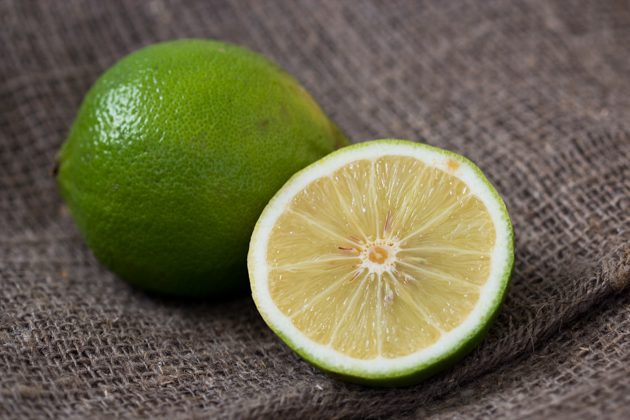
Bergamot is a type of citrus fruit native to Calabria, Italy. It was named after the Italian city of Bergamo. It is used as a fragrance and essential oil loved by perfume enthusiasts and perfumers worldwide, characterized by a refreshing yet subtle citrus scent, and is particularly well known as the signature scent of Earl Grey tea.
index
Production and extraction of bergamot oil
Traditional bergamot oil was produced using the sfumatura or slow-folding technique, a manual process of slowly pressing the fruit peels to extract the oil. Modern methods utilize mechanical techniques, primarily cold-pressing citrus peels. This method involves using a peeler to scrape the outer layer of the peel under running water to create an emulsion, which is then separated into water and essence using a centrifuge for more efficient extraction. Because the cold-pressing method does not use heat, it preserves the fragrance from evaporation and maintains the natural scent and components as intact as possible. It is said that only about 85 grams of oil are extracted from 100 bergamot peels.
Bergamot scent and fragrance notes
The scent of Bergamot creates a unique yet complex harmony, featuring refreshing citrus notes alongside a touch of spiciness and subtle floral notes. The initial impression is a combination of fresh lemon and orange, but once the citrus touch fades, a delicate herbal and floral scent resembling freesia emerges, along with a lingering scent of herbs and balsamic vinegar. Primarily in the top notes, it plays a pivotal role in exuding fresh and slightly bitter citrus aromas, providing a light and refreshing feel. As time passes, it offers subtle floral and subtle herbal notes, serving as a smooth link between the top and middle notes.
A similar oil is Bergamot Mint, an essential oil extracted from the plant *Mentha citrata*, which belongs to the peppermint family. Strictly speaking, it is unrelated to the citrus fruit *bergamot*, but it was given this name due to a slight similarity in scent. Bergamot Mint has a strong peppermint scent and possesses a softer, more refreshing mint and herbal aroma. While there are similar citrus scents, it offers a more subtle and warm feeling. It is a highly popular fragrance in aromatherapy, known to help stabilize nerves and improve mood; it is particularly excellent for reducing stress and alleviating depression, and is also said to aid in digestion.
Scientific name, CAS number, and main ingredients
The CAS number for bergamot essential oil is 8007-75-8. Its major chemical components include limonene, linalyl acetate, linalool, and bergapten; limonene imparts a fresh and crisp citrus scent, while linalyl acetate provides a soft and warm floral aroma. Linalool adds a slight spiciness.
| scientific name | Citrus Aurantium Bergamia |
| CAS number | CAS #8007-75-8 |
| Main ingredients | role |
| Limonene | Imbues with a fresh and crisp tangerine scent |
| Linalyl acetate | It imparts a floral scent, giving a soft and warm feeling. |
| Linalool | Add a little spiciness Aromatherapy ingredients with antibacterial effects |
Precautions for using bergamot oil
Bergamot contains the phototoxic compound bergapten, so exposure to ultraviolet rays after application can cause burns. Therefore, it should be avoided in sun care products, and when used in cosmetics or body oils, it is recommended to use 'FCF' (Furocoumarin Free) or 'BF' (Bergapten-Free) versions from which bergapten has been removed. Additionally, as it can rarely cause allergic reactions when applied to the skin, it is advisable to perform a skin test by applying a small amount before use. Pregnant women and individuals with sensitive skin should consult a professional before use for safety.
Flavorings and accords that are frequently blended together
Bergamot can be combined with various spices for diverse blending, primarily paired with refreshing citrus, herbal, and floral scents.
- lavender Bergamot and lavender are both effective in relieving stress and calming the mind, so they are frequently blended in aromatherapy.
- rosemary A subtle herbal scent further enhances the unique freshness and adds a refreshing sensation.
- Jasmine It adds floral notes, and the citrus scent blends well with the soft floral scent.
- sandalwood It creates a deep fragrance by imparting a warm and luxurious feel.
In addition, it pairs well with frankincense, orange, and ylang-ylang, and is frequently used as a top note to create complex scents across various parts. The following are representative examples of commercial perfumes utilizing bergamot.
- Creed AventusA men's fragrance with a refreshing and rich fruit scent, featuring a unique blend of bergamot and pineapple.
- Jo Malone London Lime Basil & MandarinBergamot adds a cool and refreshing touch to the main lime and basil.
- Acqua di Parma Colonia: A traditional Italian cologne-style fragrance centered on bergamot and citrus notes.


