
Gyeongju, known as the thousand-year royal capital. Wherever you walk in the city, royal tombs lie beneath your feet, and temple sites appear just across the road. A unique feature of Gyeongju is that, unlike other cities where historical sites are confined within museums, they are situated right in the middle of everyday living spaces.
Tourist attractions are mainly concentrated in the downtown Hwangnam area, the Bulguksa Temple and Mt. Toham area, and the Bomun Tourist Complex area, while Yeongdong Village in the Seoak and Northern areas, and the Tomb of King Munmu and the columnar jointing in the East Coast area are worth visiting.
index
Gyeongju city center
Donggung Palace and Wolji Pond
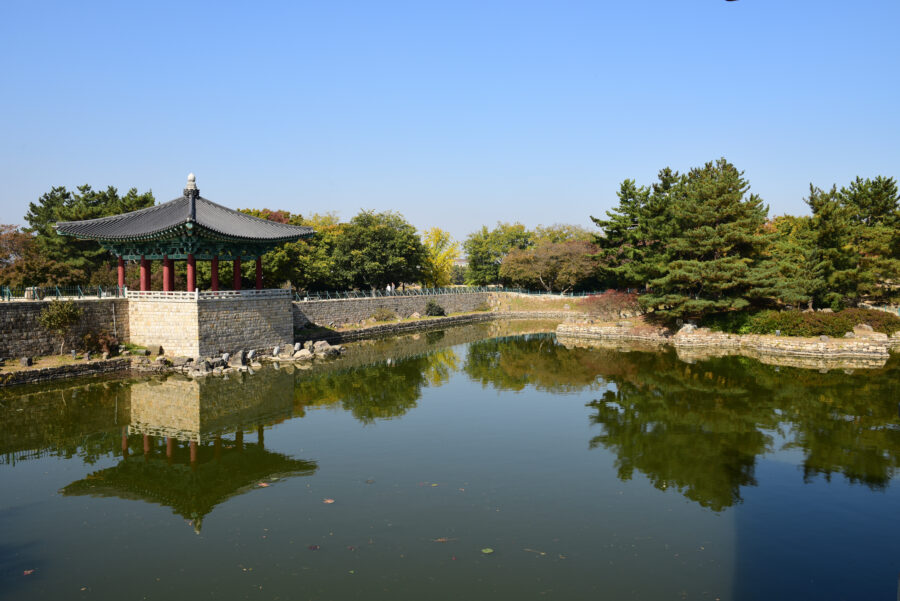
After the fall of Silla, it was neglected for a long time and became a ruin, and during the Joseon Dynasty, literati saw wild geese and ducks flying here and [named] Anapji (雁鴨池He named it ).
Full-scale excavation began in 1975, yielding 26 building sites and over 30,000 artifacts. It is notable that, unlike Silla artifacts up until that time which were mostly burial goods, there were many objects used in daily life, such as bowls and 14-sided dice. As the excavation confirmed that the site was called Wolji during the Silla period, it was renamed to its current name in 2011.
Currently, only three pavilions have been restored, and only the foundation stones remain of the remaining buildings. The night scenery, where the pavilions reflected in the pond blend with the lighting, is famous, making visits after sunset overwhelmingly more popular than during the day.
Since a significant number of artifacts unearthed during the excavation are displayed separately at the Wolji Hall of the Gyeongju National Museum, we recommend a route where you tour the pond first and then view the actual items at the museum.
Donggung Palace and Wolji Pond
102 Wonhwa-ro, Gyeongju-si, Gyeongsangbuk-do
Cheomseongdae
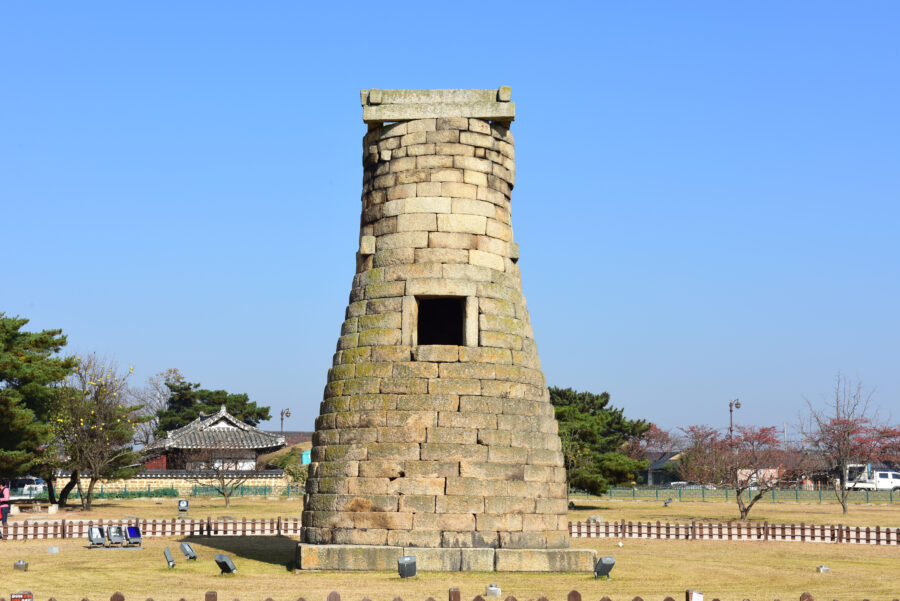
CheomseongdaeAccording to records in the *Samguk Sagi*, it is believed to have been built during the reign of Queen Seondeok (632–647). It is considered the oldest observatory remaining in Asia and is the only cultural property among ancient Korean architecture that remains in its original form from the time of its founding without later restoration.
362 granite stones were stacked in 27 layers, and interpretations regarding this number are conflicting, with some suggesting it represents the number of days in a lunar year, the 28 constellations, or Queen Seondeok, the 27th king of Silla, herself. It is presumed that earth was filled under the square door in the middle of the body, allowing a ladder to be placed there to climb up and down.
There are also many differing opinions regarding its actual purpose. Since it is a structure rising just over 9 meters above the ground, it has been pointed out that it has limitations for pure observational functions; therefore, in addition to being an observatory, the possibility that it served as an altar or a symbol to display Queen Seondeok's authority is also being discussed. However, the academic community still places weight on the interpretation that it was an astronomical observation facility.
The surrounding flowerbeds are filled with different flowers each season, so they are captured in photos with canola flowers in spring and cosmos in autumn.
Cheomseongdae
140-25 Cheomseong-ro, Gyeongju-si, Gyeongsangbuk-do
Gyeongju National Museum
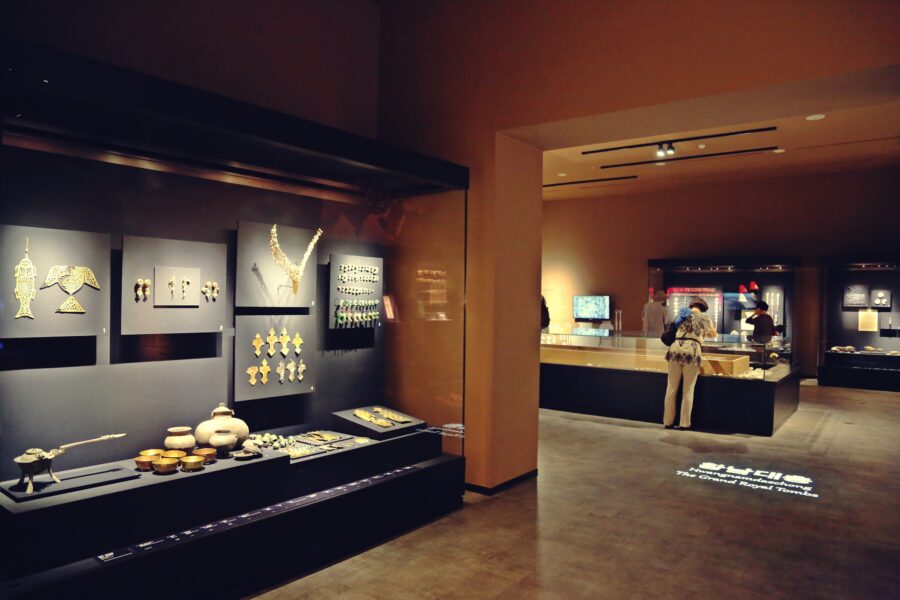
Gyeongju National MuseumIt is a place where artifacts from the thousand-year history of Silla are gathered in one place. The collection is extensive, ranging from royal artifacts such as gold crowns and gold belts to earthenware figurines and pottery for daily life.
Hanging in the outdoor bell tower King Seongdeok Bell, This bell, commonly known as the 'Emille Bell,' is famous for the legend that it was completed by offering a child. In reality, King Gyeongdeok began casting it to pray for the repose of his father, King Seongdeok, and it was completed during the reign of King Hyegong. It is considered the largest and most magnificent bell among those currently existing in Korea.
It is also a good idea not to miss the Wolji Hall, which houses artifacts unearthed during the excavation of Donggung Palace and Wolji Pond. The fact that there is no admission fee also eases the burden.
Gyeongju National Museum
186 Iljeong-ro, Gyeongju-si, Gyeongsangbuk-do
Woljeong Bridge
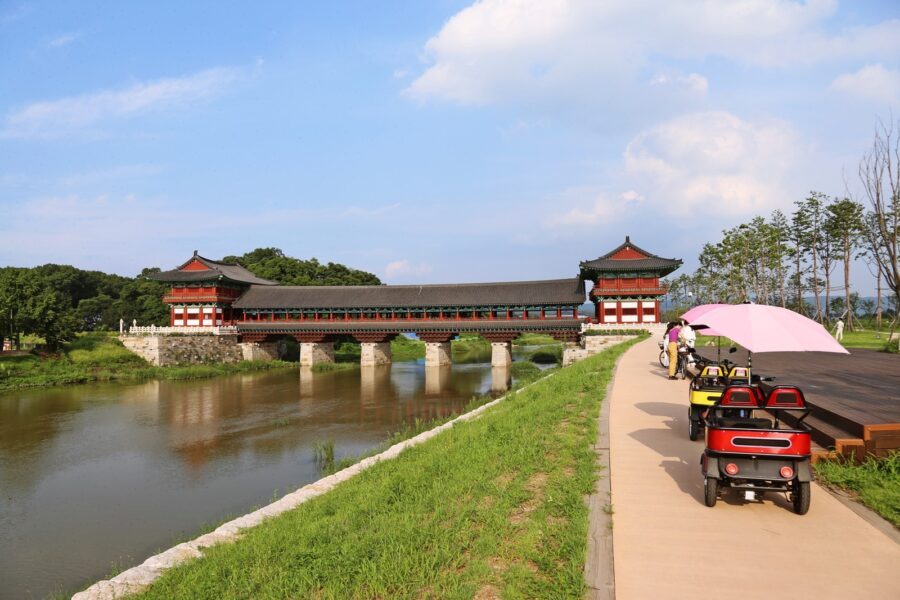
Woljeong BridgeIt was a bridge that crossed the Namcheon River during the reign of King Gyeongdeok of Unified Silla, connecting the royal palace (Wolseong) and the southern village. For a long time, only traces of the bridge piers remained, but based on excavation surveys, the wooden superstructure was fully restored to its current state.
The restoration work alone took nearly 20 years, demonstrating the immense effort put into historical accuracy. The two-story gatehouses standing at both ends of the bridge exude an imposing presence reminiscent of palace gates, an impression that is further intensified when the night lights are turned on.
You can walk across the bridge, making it a good final stop after viewing the night views of Cheomseongdae, Donggung Palace, and Wolji Pond.
Woljeong Bridge
Area around 274-3 Gyodong, Gyeongju-si, Gyeongsangbuk-do
Hwangnidan-gil
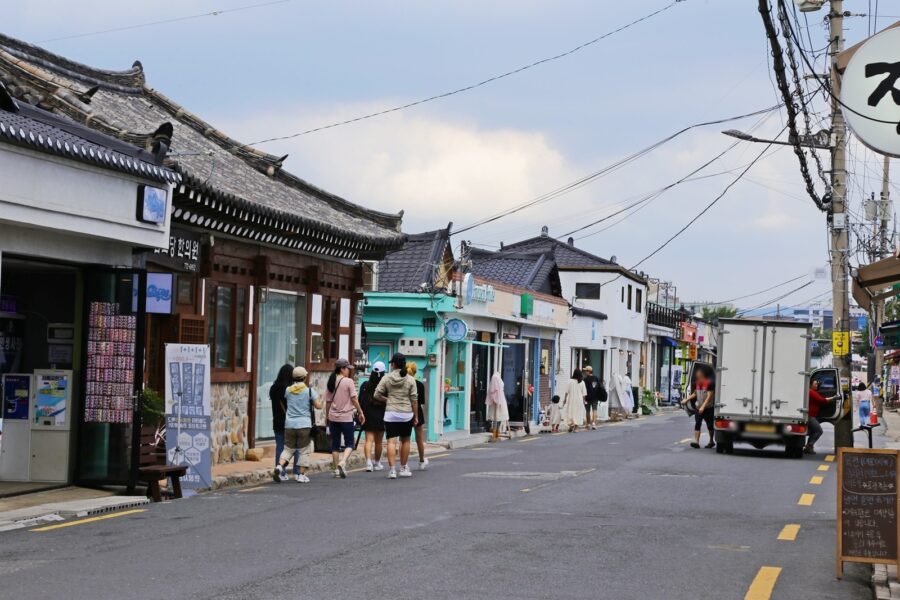
Hwangnidan-gilIt is a street that runs along the stone wall of Daereungwon. The name was created by combining 'Hwang' from Hwangnam-dong, where the alley is located, and 'Ridangil,' taken from Gyeongridan-gil in Seoul.
Originally a quiet residential area, it transformed into its current atmosphere starting in the mid-2010s as cafes and souvenir shops housed in renovated Hanoks began to open one by one. A unique feature of this street is its structure, with a commercial street situated right next to the ancient tomb complex.
It is a natural route to visit the royal tombs at Daereungwon during the day and continue with a meal and a stroll along this street in the evening. With traditional liquor shops and small breweries clustered together, it is also a great spot to sample local spirits.
Hwangnidan-gil
Poseok-ro area, Gyeongju, Gyeongsangbuk-do
Bulguksa Temple and Tohamsan Mountain area
Bulguksa Temple
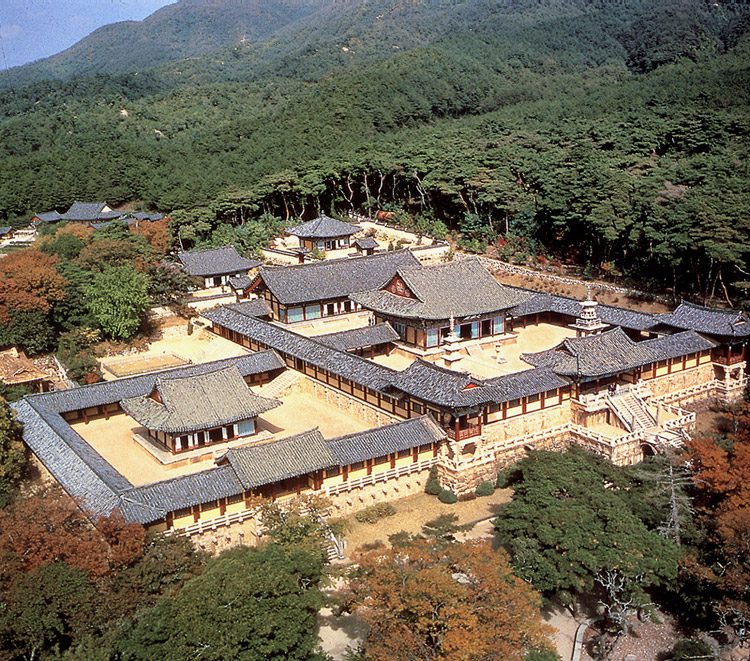
Bulguksa TempleIt is a temple said to have been founded by Silla Prime Minister Kim Dae-seong as a vow for his parents from a previous life. Construction began in 751 and was completed as a state project after his death.
The density is so high that seven National Treasures and six Treasures are scattered throughout the temple grounds alone. Cheongungyo and Baegungyo were designed as bridges connecting the secular world with the world of Buddha, while Dabotap and Seokgatap in the front courtyard of Daeungjeon stand in contrast with each other through their splendor and restrained balance.
In 1995, along with Jongmyo Shrine, the Tripitaka Koreana, and Seokguram Grotto, it was the first in Korea UNESCO World HeritageIt was named. Silla Buddhist art and architectural technology are compressed into one space, so if you had to choose just one place in Gyeongju, it would be the top choice.
Bulguksa Temple
385 Bulguk-ro, Gyeongju-si, Gyeongsangbuk-do
Seokguram
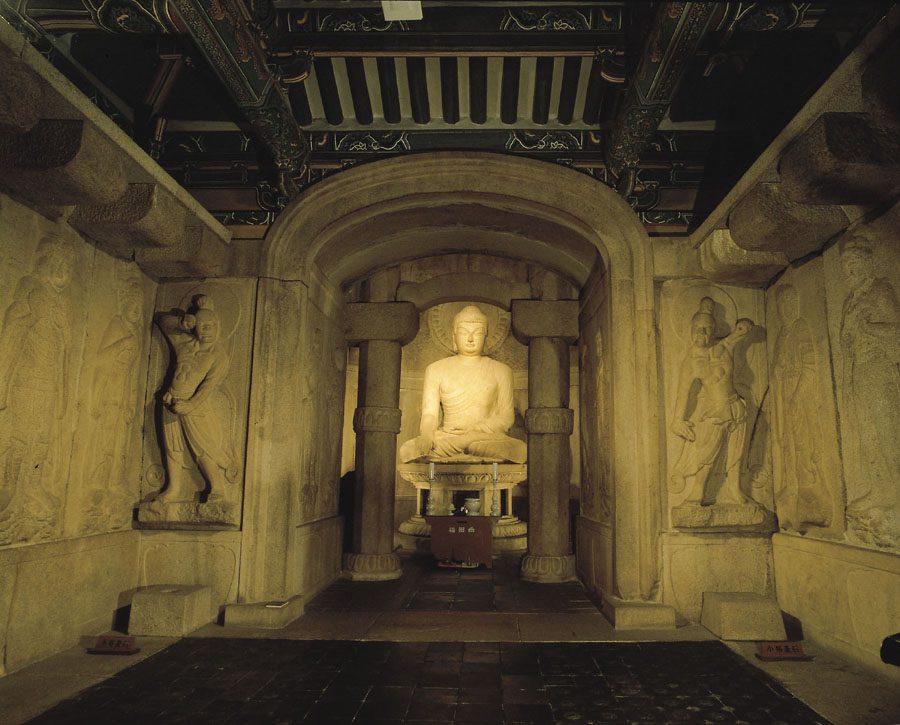
SeokguramLike Bulguksa Temple, it is said to have been commissioned and built by Kim Dae-seong. It features a structure in which an artificial stone cave was created by shaping granite to seat the main Buddha statue, and the technique of constructing the vaulted ceiling with stone rather than wood demonstrates an exceptional level of perfection even by the standards of the time.
It is located midway up Mt. Toham, facing the East Sea directly. There is an interpretation that the direction the main Buddha faces connects to the Tomb of King Munmu, leading to stories that the layout of Seokguram is not unrelated to King Munmu's determination to protect the country even after death.
The balanced proportions and exquisite sculpting techniques of the main Buddha statue are regarded as the pinnacle of Silla stone art. It was inscribed on the UNESCO World Heritage List in 1995 along with Bulguksa Temple.
Seokguram
238 Seokgul-ro, Gyeongju-si, Gyeongsangbuk-do
Seoak and Northern regions
Yangdong Village
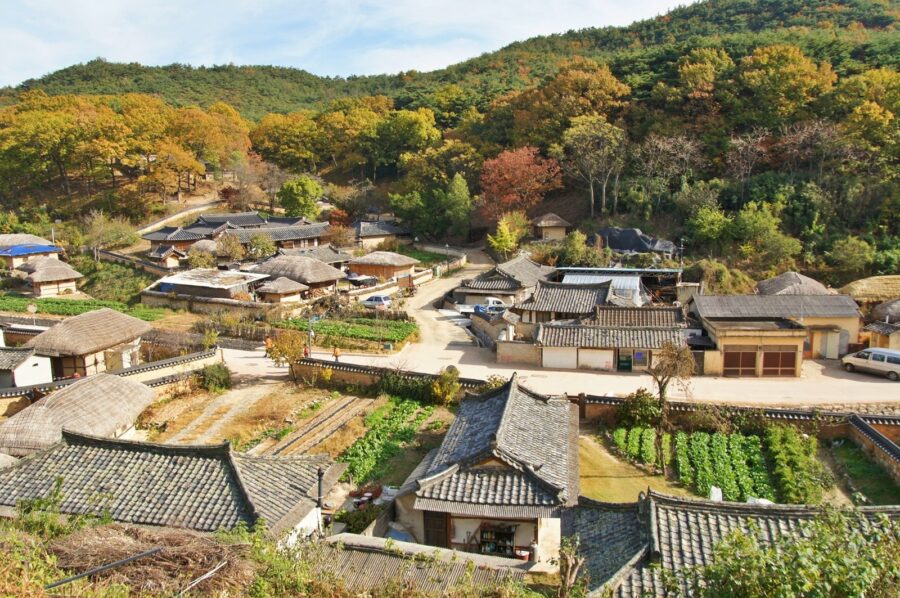
Yangdong VillageIt is a traditional village where the Yeogang Yi and Wolseong Son clans have lived together for over 500 years. It was formed during the early Joseon Dynasty and descendants still reside there today.
Tile-roofed and thatched-roof houses are naturally arranged along the foothills of valleys such as Mulbonggol and Angol, giving it a different character from neatly partitioned villages. In that it offers a glimpse into the lifestyle of a Joseon Dynasty aristocratic village and its Confucian spatial composition, 2010 UNESCO World HeritageIt was listed in.
As this is a village actually inhabited by residents, please be mindful of noise and privacy during your visit. If you familiarize yourself with the background at the Yangdong Village Cultural Center at the entrance before entering, you will be able to better appreciate the significance of the historic houses situated in every alley.
Yangdong Village
138-18 Yangdongmaeul-gil, Gangdong-myeon, Gyeongju-si, Gyeongsangbuk-do
East Coast region
Yangnam Columnar Joint Group
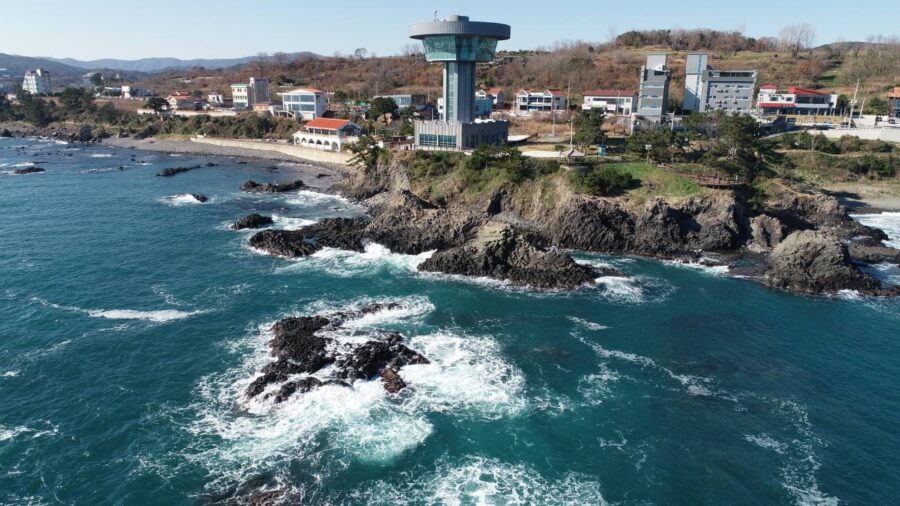
Yangnam Columnar Joint GroupIt is a hexagonal columnar rock zone formed as lava flowing from Cenozoic volcanic activity gradually cooled and contracted.
Unlike the columnar joints of Jeju Island or Ulleungdo, which generally stand vertically, this site is considered a rare geological example due to the mix of fan-shaped forms that lie or curve. Along the approximately 1.7 km coast from Eupcheon Port to Haseo Port Padosori-gil A deck has been built, allowing you to observe the cliff up close.
A lighthouse modeled after Cheomseongdae stands on the breakwater of Eupcheon Port, serving as a small photo spot. Near Haseo Port, where the walking path ends, there is Haseo Coastal Park, making it a good place to rest if you get tired while walking.
Yangnam Columnar Joint Group
The area of Eupcheon-ri, Yangnam-myeon, Gyeongju-si, Gyeongsangbuk-do
Tomb of King Munmu
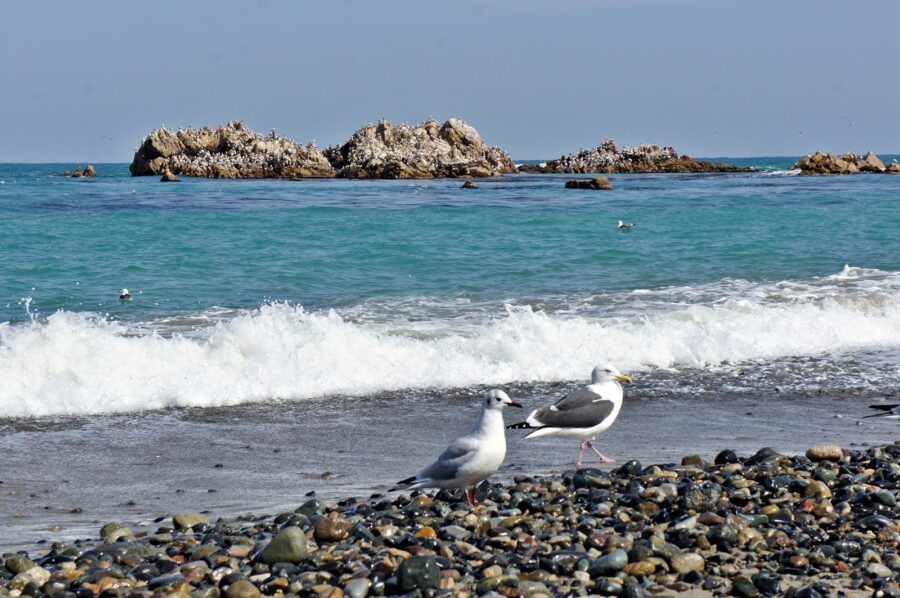
Tomb of King MunmuThis is a rock said to be the underwater tomb of King Munmu, who achieved the unification of the Three Kingdoms. History of the Three Nations·Three countries affairAccording to fragmentary records, King Munmu left a will stating that he would become a guardian dragon after death to protect the country from Japanese pirates, and it is said that his cremated remains were enshrined on a rock in the East Sea.
King Sinmun, the son, built Gamunsa Temple nearby in hopes that his father's last will would be fulfilled, and erected a pavilion called Igyeondae at the spot where he was said to have personally seen his father transformed into a dragon. Since the Gamunsa Temple Site, Igyeondae, and the Tomb of King Munmu are interwoven into a single legend, visiting all three places together makes the story feel much more three-dimensional.
Since it floats in the sea off Bonggil Beach, simply viewing it from the shore is enough without having to take a boat.
Tomb of King Munmu
The sea off Bonggil-ri, Munmudaewang-myeon, Gyeongju-si, Gyeongsangbuk-do
Bomun Tourist Complex Area
Bomun Lake
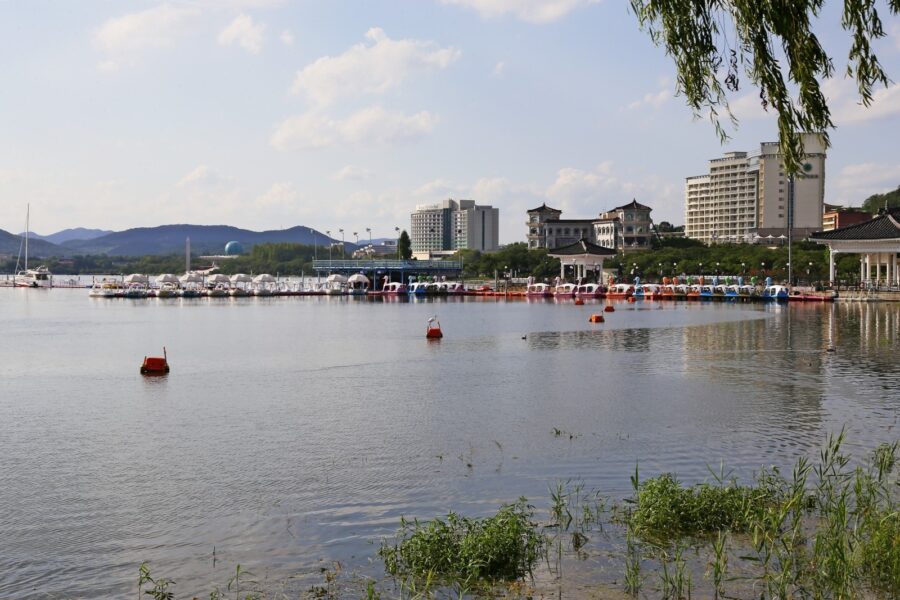
Bomun LakeIt is an artificial lake created in the 1970s as part of a national tourism complex development project. The site, originally a reservoir for agricultural water, was expanded to form the current tourism complex structure with accommodation and leisure facilities arranged around the lake.
The walking path encircling the lake is well-maintained, attracting visitors year-round as a cherry blossom path in spring and a lakeside stroll course in summer and autumn. When the cherry trees lining the water's edge are in full bloom april A cherry blossom festival is held in this area in the beginning.
With large resorts and hotels clustered nearby, it is an excellent base for accommodation during a trip to Gyeongju. Situated between the city center and the Bulguksa Temple area, it is also conveniently located for easy access.
Bomun Lake
Sinpyeong-dong area, Gyeongju, Gyeongsangbuk-do
Namsan area
Gyeongju Namsan (Samneunggye·Yongjanggol)
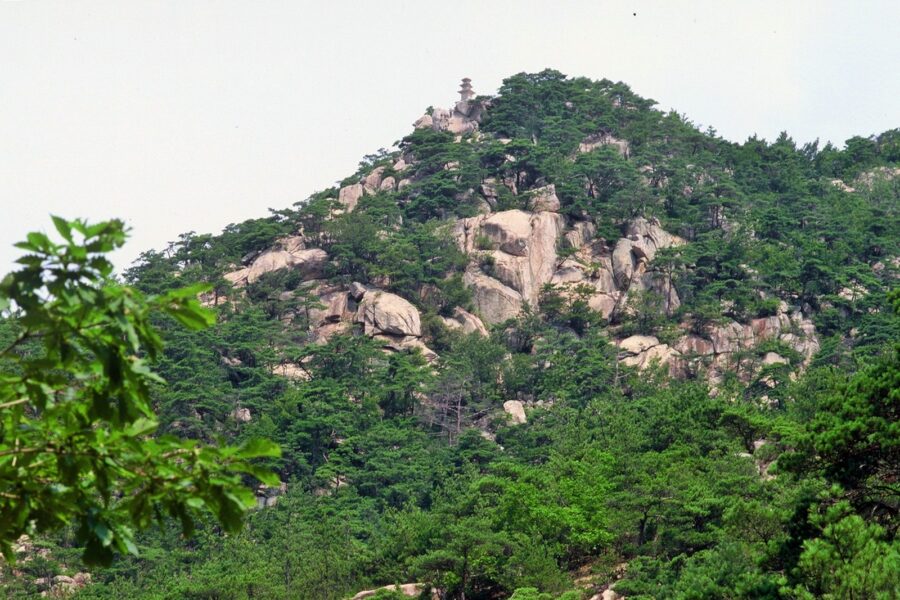
Gyeongju NamsanBuddha statues and pagodas are scattered throughout every valley, to the extent that the entire mountain is called an open-air museum of Buddhist relics. This is because the people of Silla considered it a sacred mountain protecting the royal capital and carved temples and Buddha statues all over the mountain.
Samneung ValleyThere are three tombs in a pine forest presumed to be Silla royal tombs, and if you go up along the valley, you will encounter rock-carved Buddhas in succession, such as the rock-carved Avalokitesvara Bodhisattva and the seated stone Buddha of Samneunggye. YongjanggolIn this, Maewoldang Kim Si-seup's Chinese-language novel 金鰲新話There is the old site of Yongjangsa Temple, where it is said that [it] was built, and above it, a three-story stone pagoda and a rock-carved seated Buddha remain.
Namsan is one of the five districts that make up the Gyeongju Historic Areas and is listed on UNESCO. With various hiking trails, you can choose from short courses to long-distance traverse courses to suit your fitness level and available time.
Gyeongju Namsan (Samneung)
Area around San 73, Baedong, Gyeongju-si, Gyeongsangbuk-do
Seochulji
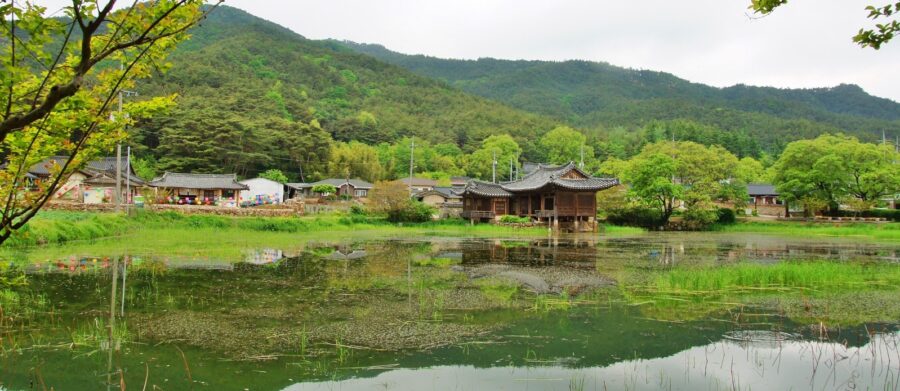
Seochulji, Writing pondIt means 'the pond where the writing came out.' Its name originated from a legend in which, when King Soji of Silla was traveling to Dongnamsan, an old man appeared in the middle of a pond and handed him a letter with the sentence, "Shoot the geomungo case," and the king followed the instructions and shot an arrow to stop an assassin who was trying to harm him.
Although the pond is not large, the ridge of Dongnamsan Mountain surrounds it like a folding screen from the back, creating a cozy atmosphere. On one side of the pond is a pavilion built during the Joseon Dynasty. IyodangIt adds to the tranquil scenery in this location.
In the summer, the lotus flowers filling the pond harmonize with Iyodang, making it known as a quiet spot perfect for taking photos. Located at the foot of Namsan Mountain, it is a great place to stop by before or after a hike.
Seochulji
973 Namsan-dong, Gyeongju-si, Gyeongsangbuk-do
Travel Tips
Gyeongju is less a city to visit to see ruins and more a city to spend a day amidst them. If you walk at an unhurried pace, drinking coffee at a café next to a royal tomb feels completely natural.


