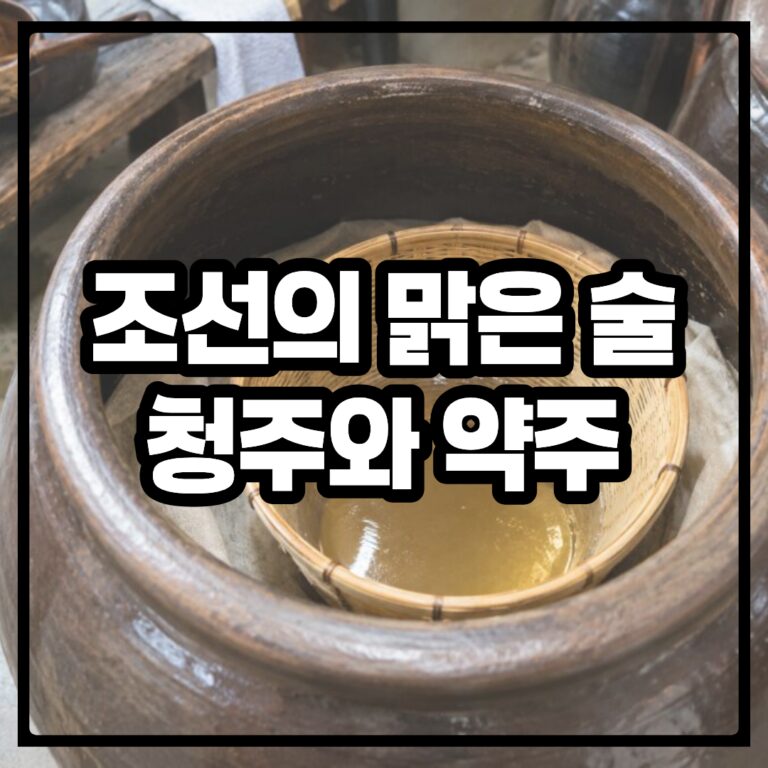
Alcohol is one of the oldest beverages that has accompanied human civilization. It boasts a history of at least 6,000 years, dating back to around 4000 BC when the Sumerians of Mesopotamia recorded the recipe for brewing beer on clay tablets.
Today, thousands of types of alcohol exist worldwide, and unique drinking cultures have developed according to the climate, ingredients, and culture of each country and region. In this article, we aim to understand the classification system of alcohol and explore the diverse types of alcohol found around the world.
What is alcohol?
 Alcohol is a beverage containing ethanol (C₂H₅OH).
Ethanol is yeast (
The chemical formula for fermentation is simple. Glucose (C₆H₁₂O₆) is broken down into two molecules of ethanol and two molecules of carbon dioxide through the action of yeast. The bubbles rising from a beer glass and the fizzing sound coming from a wine fermentation tank are all due to the carbon dioxide produced during this process.
What is yeast?
Yeast is a microorganism belonging to the unicellular fungi. It is about 5 to 10 micrometers in size and invisible to the naked eye, but it is indispensable for making alcohol and bread.
Yeast obtains energy through respiration when oxygen is present, and through fermentation when oxygen is absent.
When making alcohol, yeast is induced to consume sugar and produce alcohol and carbon dioxide in an anaerobic environment where oxygen is blocked.
Among yeasts Saccharomyces cerevisiaeIt is the most widely used. This yeast, whose name means "beer sugar" in Latin, is used in most fermented foods, including beer, wine, whiskey, sake, and bread.
However, there is a limit to the fermentation ability of yeast. This is because when the alcohol concentration reaches 15 to 181 TP3T, the yeast itself dies from the alcohol.
This is the reason why the alcohol content of brewed beverages such as wine or sake generally stops at around 151 TP3T.
What emerged to overcome this limitation was distillation (
Brewed alcohol (fermented alcohol): Alcohol made by fermenting raw materials. Beer, wine, makgeolli, sake, etc. It is the earliest form of alcohol in human history.
Distilled spirits: Alcoholic beverages produced by distilling a fermented liquid to increase the alcohol concentration. Whiskey, vodka, rum, gin, brandy, etc. They were created as a byproduct of alchemy.Mixed drinks (liqueurs)Alcoholic beverages made by adding flavorings, fruits, medicinal herbs, sugars, etc., to distilled spirits. Examples include liqueurs, bitters, and medicinal wines. They originated for medicinal purposes in medieval monasteries.

Brewed (Fermented) – Alcohol crafted by nature
The Birth of Brewed Liquor – A Gift Created by Chance
Brewed alcohol is the first alcoholic beverage in human history. Although its exact origin is unknown, it is highly likely that it was discovered by chance.
It likely began when someone tasted fruit that had fallen and naturally fermented, or stored grains that had fermented after rainwater seeped into them. Traces of a fermented beverage made by mixing rice, honey, and fruit were discovered at the Jiahu site in Henan Province, China, dating back to around 7000 BC.
Clay tablets of the Sumerian civilization record brewing methods along with hymns dedicated to Ninkasi, the goddess of beer. There are also records from Egypt that beer was paid to pyramid construction workers as wages.
The history of wine also dates back to the regions of Georgia and Iran around 6000 BC. Wine originated from wild yeast naturally present on grape skins fermenting the juice.
As such, brewed alcohol is a type of liquor made by fermenting the sugars or starches of raw materials with yeast. Since it is completed solely through fermentation without a distillation process, the alcohol content is generally low. It typically ranges from 4 to 181 TP3T ABV (Alcohol By Volume) and is characterized by the fact that the flavor of the raw materials remains intact.
Brewing alcohol can be broadly classified into grain-based, fruit-based, and other raw material-based types.
Grain-based alcohol

BeerIt uses barley malt as the main ingredient and adds hops to enhance bitterness and aroma.
Depending on the fermentation method, it is divided into top-fermented ale and bottom-fermented lager. Ale is fermented at a relatively high temperature of 15–24°C and is characterized by fruity aromas and complex flavors.
Makgeolli와 rice wineIt is a representative Korean fermented grain alcoholic beverage.
It uses rice, koji, and water as raw materials, and the mold and yeast of the koji cause parallel double fermentation.
Parallel fermentation refers to the simultaneous saccharification of starch and the alcoholic fermentation of sugar. Thanks to this method, Cheongju can naturally achieve a high alcohol content (15–181 TP3T) among brewed alcoholic beverages.
The cloudy part filtered out after fermentation is Makgeolli (Takju), and the clear upper layer is Cheongju.
Traditional Korean nuruk is made from uncooked wheat or rice, where various molds, yeasts, and bacteria coexist.
sake(
Grades are classified according to the polishing ratio, and Daiginjo (rice polished to 501 TP3 T or less)
The more the rice is milled, the more protein and fat are removed from the outer layer, resulting in a clean and fragrant taste; however, since this requires more raw materials, the price becomes higher.
Junmai (
Hwangju(
It is made from rice, millet, or sorghum and fermented with yeast.
The color varies from golden to dark brown depending on the storage period.
Shaoxing wine from the Zhejiang region is the most famous and is widely used as a cooking wine in Chinese cuisine.
Fruit-based alcoholic beverages

WineIt is an alcoholic beverage made by fermenting grape juice, and it boasts the longest history among brewed alcoholic beverages.
Natural yeast lives in grape skins, so fermentation is possible without the addition of separate yeast.
Red wine is fermented with the skins to extract pigments and tannins, while white wine is fermented with only the juice.
Rosé wine produces a pale pink color by contacting red grape skins for only a short time.
CiderIt is an alcoholic beverage made by fermenting apple juice. It is traditionally produced in the UK, Normandy (Cidre) in France, and Asturias (Sidra) in Spain.
PerryIt is a similar fermented beverage made from pears, and the Gloucestershire region of England is famous for it.
MeadMead is one of the earliest alcoholic beverages made by fermenting honey water, with a history dating back to ancient Egypt and Greece. There are also records indicating that the Vikings enjoyed drinking it. There are various variations, such as melomel with added fruit and metheglin with added spices. Recently, mead has been regaining attention alongside the craft brewing trend.
| Types of brewed alcohol | Main ingredient | Alcohol content | Representative producing country |
|---|---|---|---|
| Beer | Barley malt, hops | 4~8% | Germany, Belgium, Czech Republic, United Kingdom |
| Wine | grape | 12~15% | France, Italy, Spain |
| sake | Rice, koji | 15~17% | japan |
| Makgeolli | Rice, yeast | 6~9% | korea |
| rice wine | Rice, yeast | 13~18% | korea |
| Hwangju | Rice, millet | 14~20% | china |
| Cider/Cidre | apologize | 4~8% | UK, France |
| American TV series | 꿀 | 10~14% | All over Europe |
3. Distilled Spirits – A Combination of Fire and Science
The Birth of Distilled Spirits – From Alchemy to the Water of Life
The origins of distillation technology date back to perfume making in ancient Mesopotamia and Egypt.
However, it was medieval Arab alchemists who created drinkable distilled spirits.
Arab alchemists in the 8th and 9th centuries succeeded in extracting high-concentration alcohol by distilling wine.
‘The word 'alcohol' itself originated from the Arabic 'al-kuhl' (refined).
This technology spread to Europe through the Crusades and trade. In the 12th century, the medical school in Salerno, Italy, used distilled spirits for medicinal purposes, calling them 'aqua vitae' (water of life).
In Ireland and Scotland, it was translated into Gaelic as 'uisge beatha,' which became the etymology of whisky. In France, it was called eau-de-vie, and in Russia, zhiznennaya boda (water of life).
Early distilled spirits were used for medicinal and ceremonial purposes, but gradually developed into luxury goods. During the 15th and 16th centuries, regional specialty distilled spirits emerged across Europe. Scottish whisky, French brandy, and Dutch Jenever (the ancestor of gin) were established during this period.
Distilled spirits are alcoholic beverages produced by heating a fermented liquid to separate and concentrate the alcohol components. This utilizes the principle that the boiling point of ethanol (78.37°C) is lower than that of water (100°C). When heated, the alcohol vaporizes first, and cooling this vapor back into a liquid increases the alcohol concentration.
This process is called distillation, and the flavor and characteristics vary depending on the distillation method.
Understanding Distillation Methods
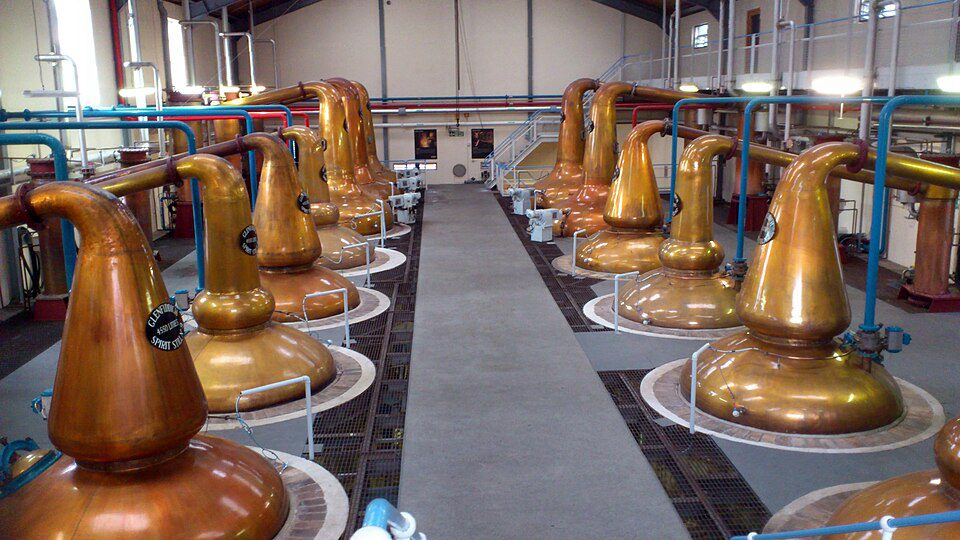
The still is largely Pot Still와 Continuous still (Column Still)It is divided into. A single-distillation still is in the form of a copper jar, and it is a method of distilling a certain amount at a time, emptying it, and refilling it.
It is no coincidence that copper is used as the primary material for stills. Unpleasant components, such as sulfides generated during the distillation process, react with copper to be removed. While batch distillation preserves much of the raw material's flavor to create complex and distinctive tastes, it is more expensive than continuous distillation.
Single malt Scotch whisky, cognac, Irish whisky, and some rums are made using pot stills. In Scotland, double distillation is traditionally common, while in Ireland, triple distillation is common.
The continuous still was patented by Einius Coffey in the 1830s and is also called the Coffey Still. It is in the form of a column composed of multiple layers of plates, and distills alcohol by continuously feeding it in.
This method enables mass production and can extract high-purity alcohol of 951 TP3T or higher.
It is mainly used in the production of clean-tasting spirits such as grain whisky, vodka, and light rum.
The more distillation and rectification processes are performed, the purer the alcohol becomes and the less flavor the raw material has. This is precisely why vodka is nearly tasteless and odorless.
The distillate produced during the distillation process is divided into three parts. The first part comes out Heads (Heads, Foreshots, Choryu)Volatile substances such as methanol and acetaldehyde are contained in it.
middle Hearts (Hearts, Middle Class)is the core part that is drinkable. The last Tails (Feints, Whirlwind)There are many high-boiling point compounds and fusel oils, so they are also separated.
A skilled distiller determines the 'cut point' that accurately distinguishes these three parts.
Since the character of the distilled spirit changes significantly depending on where it is cut, this is the distillery's core know-how.
Grain-based distilled spirits

WhiskyIt is an alcoholic beverage made by fermenting and distilling grains, then aging it in oak barrels.
Scotland, Ireland, the United States, Canada, and Japan are the top five producing countries.
Scotch whisky is a Scottish whisky made primarily from barley malt and aged in oak barrels for at least three years. A characteristic of some regions is that the malt is dried with peat to add a smoky flavor.
Irish whiskey is mostly triple distilled and is characterized by its smooth taste. It uses very little peat, making it lighter and cleaner than Scotch.
Bourbon whiskey uses at least 511 TP3T of corn and is aged in newly charged oak barrels.
Vanilla, caramel, Orcs It is characterized by a rich aroma and sweetness.
Tennessee whiskey is similar to bourbon, but it undergoes the 'Lincoln County Process,' which involves filtering through charcoal after distillation.
Jack Daniel's is a prime example.
Canadian whisky uses a lot of rye and blends rye whisky with neutral spirits. Japanese whisky is based on the Scottish method but adds unique elements such as Mizunara oak barrels.
VodkaIt is a colorless, transparent distilled spirit made from grains or potatoes.
Eastern and Northern Europe, including Russia, Poland, and Sweden, are the main production areas.
It removes impurities through continuous distillation and activated carbon filtration, and is characterized by a clean taste that is nearly odorless and tasteless.
Under European Union regulations, a minimum alcohol content of 37.51 TP3T is required, while in the United States, it is 401 TP3T or higher. Żubrówka from Poland is a unique traditional vodka flavored with bison grass.
GinIt is made by adding various medicinal herbs, including juniper berries, to grain distilled spirits.
Genever, originally developed for medicinal purposes in the Netherlands, traveled to England and evolved into gin.
distilled sojuIt is a traditional Korean distilled liquor made by single distilling Cheongju or Takju.
Andong Soju, Munbaeju, Igangju, and Gamhongro are representative examples.
The green-bottled soju we drink in our daily lives is diluted soju, made by diluting ethanol with water, and is far removed from soju made using the traditional method.
Shochu(
The Kyushu region is the main production area, and sweet potato shochu (Imojochu) is the most popular.
Baijiu(
It is made from sorghum, corn, rice, wheat, etc., and is characterized by a high alcohol content of 40 to 601 TP3T and a unique aroma.
Depending on the fermentation method, soy sauce-flavored (
Maotai
Fruit and plant-based spirits

BrandyIt is a spirit distilled from wine. French Cognac and Armagnac are the most famous, and it is classified into grades according to aging period, such as VS (2 years or more), VSOP (4 years or more), and XO (10 years or more).
There is also a wide variety of fruit brandies. Calvados (apple) is a specialty of Normandy, France.
Kirschwasser cherries are produced in Germany and Switzerland, and Slivovitz plums are produced in Eastern Europe.
Eau-de-vieIt is a general term for clear brandy distilled from fermented fruit.
Grappais distilled from the grape skins and seeds (pomace) remaining after wine production.
It is an Italian distilled spirit enjoyed as a digestif.
RumIt is an alcoholic beverage made by fermenting and distilling sugarcane molasses or juice.
It is primarily produced in the Caribbean and is famous as the drink of pirates and sailors during the Age of Discovery.
Brazil's CachaçaIt is also sugarcane-based, but is legally distinguished from rum.
It is famous as the base for the Caipirinha cocktail.
TequilaIt is made from blue agave from the Jalisco region of Mexico.
The agave heart (piña) is roasted and crushed to extract the juice, which is then fermented and distilled.
MezcalIt is a higher concept than tequila and can be made from all kinds of agave.
‘You just need to remember that 'Tequila is a type of Mezcal, but not all Mezcal is Tequila.'.
Mezcal is characterized by its smoky flavor, achieved by smoking agave in an underground oven.
| Types of distilled spirits | Main ingredient | Alcohol content | Representative producing country |
|---|---|---|---|
| Scotch whisky | barley malt | 40~46% | The Granite City |
| bourbon | Corn (51% or more) | 40~50% | United States (Kentucky) |
| Irish whiskey | Barley, malt | 40% | Ireland |
| Japanese whisky | barley malt | 40~43% | japan |
| vodka | Grains/Potatoes | 37.5~50% | Russia, Poland |
| 진 | Grains + Juniper Berries | 37.5~47% | United Kingdom, Netherlands |
| distilled soju | Rice, barley, sweet potatoes | 25~45% | korea |
| Shochu | Rice, barley, sweet potatoes | 20~35% | japan |
| Baijiu | Sorghum, wheat, rice | 40~60% | china |
| 럼 | sugarcane molasses | 40~50% | Caribbean coast |
| tequila | Blue Agave | 38~40% | Mexico |
| cognac | grapes (wine) | 40% | france |
| Grappa | Grape skins/seeds | 37.5~60% | Italy |
4. Mixed drinks (liqueurs)
The Birth of Hybridism – The Monastery’s Secret Recipe
The history of liqueurs began in medieval European monasteries. At that time, monks studied alchemy and medicine, soaking medicinal herbs in distilled spirits for medicinal purposes.
The word "liqueur" originates from the Latin word "liquefacere," meaning "to dissolve," which signifies the process of extracting the components of herbs, roots, flowers, and spices by dissolving them in alcohol.
Liqueurs are alcoholic beverages made by adding sugar, fruit, herbs, spices, etc., to a distilled spirit base. According to European Union regulations, liqueurs must have plant ingredients and at least 100g/L of sugar added to the alcohol.
Nowadays, it is widely consumed as a key ingredient in cocktails and as an after-dinner drink rather than for medicinal purposes. Thanks to its sweet and aromatic taste, it is also good to enjoy with dessert.
Method for making mixed drinks
There are four main methods used to manufacture mixed liquor.
The degree of aroma extraction and flavor characteristics vary depending on each method.
MacerationThis is the most basic method. It involves soaking fruits, herbs, spices, etc., in a base liquor for a certain period to extract their components. Homemade plum wine or fruit wine is made using this method. The steeping period varies from a few days to several months depending on the ingredients.
DistillationThis is a method of adding flavorings and redistilling. Juniper berry-flavored gin is a prime example. This method allows for the extraction of cleaner and more delicate aromas. It is widely used in premium liqueurs.
PercolationIt is a method of passing alcohol through ingredients, similar to drip coffee.
The alcohol circulates through the material layers multiple times to extract the components.
Essence Addition MethodThis is the simplest method of mixing pre-extracted essential oils or concentrates into distilled spirits.
It is suitable for mass production, but the natural flavor may be somewhat lacking.
Major types of liqueurs
fruit liqueurIt is the most popular mixed drink. Orange liqueurs are particularly famous, with Cointreau and Grand Marnier being the two major brands.
Other fruit liqueurs include Chambord (blackberry), Maraschino (cherry), Midori (melon), and Limoncello (lemon). French Crème de Cassis (black plum) is mixed with white wine to make the Kir cocktail.
Herb and spice liqueurIt is characterized by a complex flavor. The aforementioned Chartreuse comes in two varieties: Green (55%) and Yellow (40%). The Green Chartreuse is more intense and has a strong herbal aroma, while the Yellow is soft and sweet.
Italy's Amaro The series is famous for Campari, a herbal liqueur characterized by its bitter taste, which is the key ingredient in the Negroni cocktail.
Jägermeister from Germany is a liqueur made from 56 herbs and spices.
It was originally developed as a digestive aid, but today it is more commonly consumed as a shot or in cocktails.
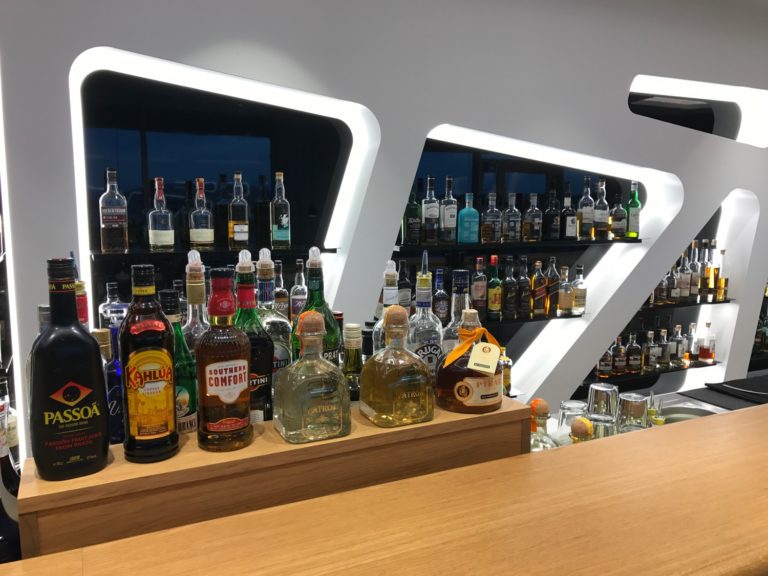
cream liqueurIt is a smooth mixed liqueur containing milk fat. Baileys Irish Cream is made by mixing Irish whiskey and cream and is one of the best-selling liqueurs worldwide. Kahlúa, a coffee liqueur from Mexico, is an essential ingredient for White Russians and Espresso Martinis.
Fortified wine
Fortified wine is wine in which brandy has been added during or after fermentation to increase the alcohol content.
It has characteristics intermediate between brewed and distilled spirits, and is sometimes classified as a type of mixed drink.
Adding alcohol stops yeast activity, leaving sugar behind and increasing shelf life.
It was developed during the Age of Discovery to prevent wine from spoiling during long voyages. Sherry, Port, and Madeira wines are famous..
VermouthIt is an aromatic wine made by adding herbs and spices to white wine.
It is an essential ingredient for classic cocktails such as the Martini, Manhattan, and Negroni.
Dry vermouth is used in French-style martinis, while sweet vermouth is used in Italian-style Manhattans.
| Types of mixed drinks | Key Features | Alcohol content | Representative Brand/Product |
|---|---|---|---|
| Orange liqueur | Orange flavor, essential for cocktails | 20~40% | Cointreau, Grand Marnier |
| Herbal liqueur | Complex herbal scent | 35~55% | Chartreuse, Benedictine |
| Amaro | Bitter taste, promotes digestion | 16~40% | Campari, Aperol, Fernet |
| cream liqueur | Soft and sweet | 15~20% | Baileys, Kahlua |
| Anise liqueur | Licorice scent, Lushu effect | 40~50% | Pastis, Ouzo, Absinthe |
| Sherry | Various styles | 15~22% | Tio Pepe, Rustau |
| port | Sweet and rich | 19~22% | Taylors, Grahams |
| Vermouth | Herbal scent, cocktail base | 15~18% | Martini, Noily Pratt |